
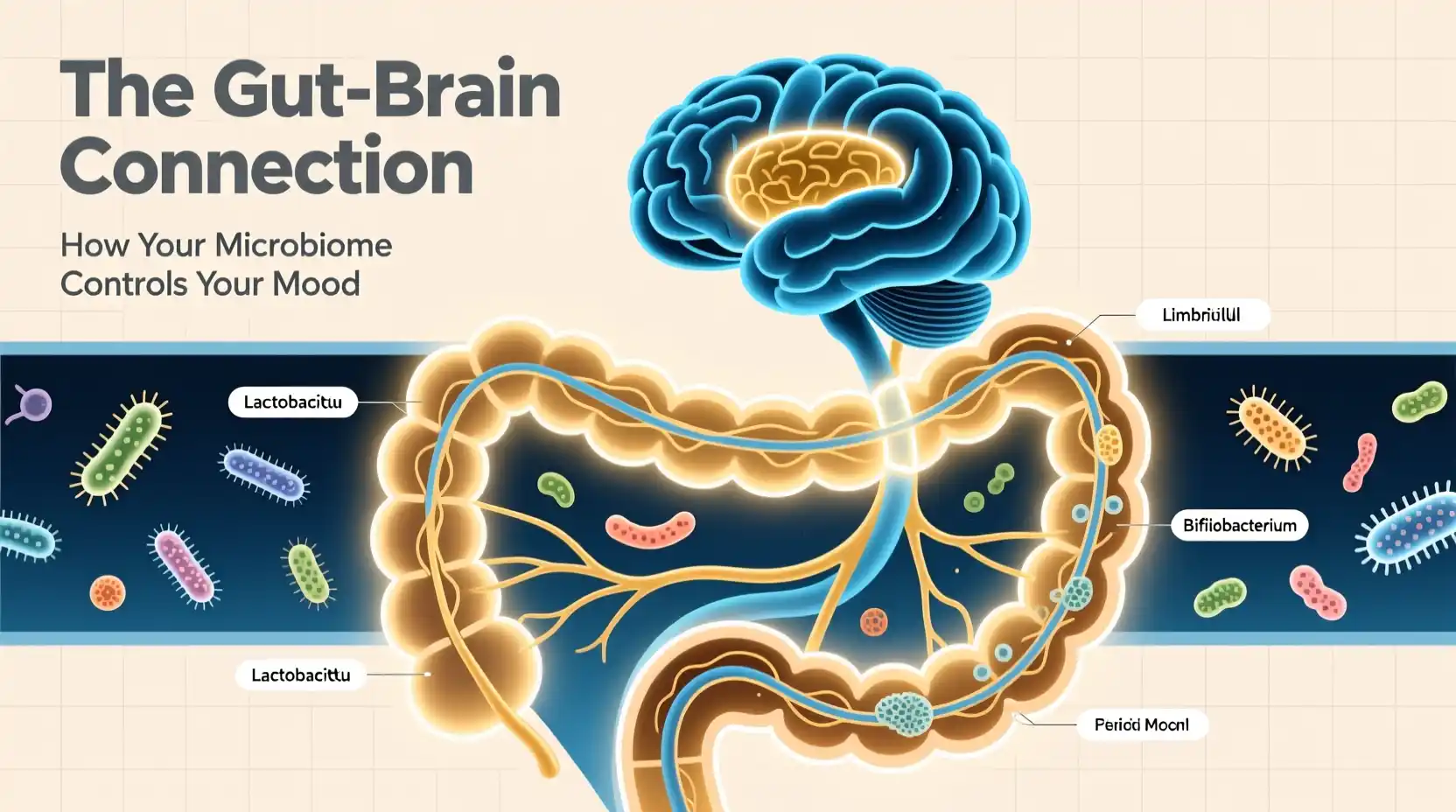
The Gut-Brain Connection: How Your Microbiome Controls Your Mood
Introduction: The Unseen Puppeteer of Our Emotions
Have you ever felt “butterflies” in your stomach before a big presentation? Or had a “gut-wrenching” experience? These common idioms are more than just figures of speech; they are linguistic artifacts pointing to a profound, biological truth that modern science is only now beginning to unravel in its entirety. The gastrointestinal tract is not merely a passive digestive tube, a simple processing plant for the food we eat. It is a complex, intelligent, and deeply influential ecosystem that is in constant, bidirectional communication with the brain—an intricate network known as the gut-brain axis.
For decades, the prevailing view of mental health was a “neck-up” paradigm. Depression was a “chemical imbalance” in the brain, anxiety a malfunction of neural circuits, and stress a psychological response to external triggers. The solutions, therefore, were targeted at the brain itself: psychotherapy to reframe thoughts, and pharmaceuticals like SSRIs to alter neurotransmitter levels. While these approaches have been and remain vital, they tell an incomplete story. They overlook a silent, powerful partner in our mental and emotional well-being: the trillions of microorganisms that reside in our gut.
This is the story of the microbiome—a vast, teeming universe of bacteria, viruses, fungi, and archaea that outnumbers our human cells by a factor of ten to one. Far from being mere passengers, these microbes are active participants in our physiology. They digest our food, train our immune system, and, most astonishingly, produce and regulate a host of neurochemicals that were once thought to be the exclusive domain of the brain. They are, in essence, an unseen puppeteer, subtly pulling the strings of our mood, our emotions, and our very perception of the world.
This text will embark on a deep dive into this revolutionary field of science. We will explore the anatomical and biochemical pathways that form the gut-brain axis, meet the key players—the enteric nervous system, the vagus nerve, and a cast of microbial characters—and decipher the complex chemical language they use to communicate. We will examine the compelling evidence from animal and human studies that links an imbalanced microbiome (a state known as dysbiosis) to a spectrum of mental health conditions, from depression and anxiety to autism spectrum disorder and even neurodegenerative diseases. Finally, and most importantly, we will translate this cutting-edge science into practical, actionable knowledge. How can we, through diet, lifestyle, and a newfound respect for our inner ecosystem, cultivate a thriving microbiome that supports not just our physical health, but our mental and emotional resilience as well? This is a journey into the inner landscape of our own bodies, a journey that promises to redefine our understanding of what it means to be healthy, happy, and whole.
Part 1: The Three Brains – Meet the Cast of Characters
To understand the connection, we must first appreciate the distinct yet interconnected entities involved. Think of it as a triumvirate of “brains” working in concert: the central brain in our skull, the “second brain” in our gut, and the “third brain” of our microbiome.
The Central Brain: The Command Center
We are all familiar with the central nervous system (CNS), the command center housed in the skull. It consists of the brain and the spinal cord, a masterpiece of neurons, glia, and synapses responsible for our thoughts, memories, movements, and consciousness. When we discuss mood, we are often talking about specific regions within this brain:
- The Amygdala: Often called the brain’s “fear center” or “threat detector,” the amygdala is crucial for processing emotions, particularly fear and anxiety. It triggers the “fight-or-flight” response in the face of perceived danger.
- The Hippocampus: This seahorse-shaped structure is vital for memory formation and learning. It also plays a significant role in regulating mood and is often found to be smaller in individuals with chronic depression.
- The Prefrontal Cortex (PFC): The PFC is the executive suite, responsible for higher-order cognitive functions like decision-making, planning, and emotional regulation. It helps us temper our emotional responses and assess situations rationally.
The communication within the CNS is mediated by neurotransmitters, the chemical messengers that ferry signals across synapses. The most famous of these in the context of mood are:
- Serotonin: The “feel-good” or “happiness” neurotransmitter. It regulates mood, sleep, appetite, and cognition. Low levels are classically associated with depression.
- Dopamine: The “reward” and “motivation” neurotransmitter. It is central to the brain’s pleasure and reward centers, driving us to seek out experiences that are beneficial for our survival.
- GABA (Gamma-Aminobutyric Acid): The primary “calming” or “inhibitory” neurotransmitter. It puts the brakes on neural activity, reducing feelings of anxiety and fear and promoting a state of calm.
For years, the goal of psychopharmacology was to manipulate the levels of these neurotransmitters within the CNS. The discovery that the vast majority of them are produced or influenced outside the brain, in the gut, has been nothing short of a paradigm shift.
The Enteric Nervous System (ENS): The “Second Brain”
Nestled within the walls of the gastrointestinal tract, from the esophagus to the anus, lies a complex network of over 500 million neurons—more than in the entire spinal cord. This is the enteric nervous system (ENS), often dubbed the “second brain.” The ENS is capable of autonomous function, controlling the complex processes of digestion independently of the central brain. It manages peristalsis (the muscular contractions that move food along), regulates digestive secretions, and manages blood flow to the gut.
But the ENS is far more than a simple reflex controller. It communicates extensively with the CNS, and its health is inextricably linked to our emotional state. Have you ever lost your appetite due to stress or anxiety? That’s the CNS sending a distress signal down to the ENS. Conversely, digestive distress like irritable bowel syndrome (IBS) is often accompanied by anxiety or depression, a signal traveling up from the ENS to the brain. The ENS uses the same neurotransmitters as the CNS, including serotonin and dopamine. In fact, it is a manufacturing powerhouse for these molecules, setting the stage for the microbiome’s profound influence.
The Microbiome: The “Third Brain”
If the ENS is the second brain, the gut microbiome is the third, and perhaps the most mysterious. It is not a single organ but a vast, dynamic community of microorganisms, primarily bacteria, but also viruses, fungi, and archaea. The collective genetic material of these microbes is known as the microbiome, while the actual organisms are called the microbiota.
The human gut microbiome is incredibly dense and diverse, containing up to 1,000 different species of bacteria and over 3 million unique genes. This genetic repertoire is far richer than our own human genome, endowing us with metabolic capabilities we lack on our own. These microbes are not invaders; they are symbiotic partners that have co-evolved with us for millennia.
Their primary roles include:
- Digestion and Nutrient Synthesis: They break down complex carbohydrates and fibers that our own enzymes cannot digest, converting them into vital nutrients.
- Immune System Training: They “educate” our immune system, teaching it to distinguish between friend and foe, and helping to prevent autoimmune reactions.
- Protection Against Pathogens: They occupy ecological niches and produce antimicrobial substances that prevent harmful microbes from taking hold.
- Production of Neuroactive Compounds: This is their most mind-bending role. Gut microbes can produce, consume, and modulate a wide array of neurotransmitters and neuroactive compounds, including GABA, serotonin, dopamine, norepinephrine, and acetylcholine.
The composition of an individual’s microbiome is unique, like a fingerprint, and is shaped by a multitude of factors: genetics, mode of birth (vaginal vs. C-section), infant feeding (breastmilk vs. formula), diet, age, geography, stress levels, and antibiotic use. A healthy microbiome is characterized by high diversity and a balance between beneficial and potentially harmful microbes. When this balance is disrupted—a state called dysbiosis—it can have cascading negative effects on both physical and mental health.
Part 2: The Lines of Communication – How the Three Brains Talk
The gut and brain are not isolated entities; they are locked in a continuous, complex dialogue. This conversation happens through multiple, overlapping channels, creating a sophisticated communication network that dictates our physiological and psychological state.
- The Vagus Nerve: The Superhighway of the Gut-Brain Axis
The most direct and well-studied line of communication is the vagus nerve. This is the tenth cranial nerve, a wandering, meandering fiber that connects the base of the brain to organs throughout the body, including the heart, lungs, and, most significantly for our topic, the gut. The vagus nerve is a major component of the parasympathetic nervous system, the “rest-and-digest” system.
It functions as a bidirectional superhighway:
- Afferent Signals (Gut to Brain): Approximately 80-90% of the fibers in the vagus nerve are afferent, meaning they carry information from the gut to the brain. These signals don’t convey complex thoughts, but rather sensory information about the state of the gut: its stretching, the presence of nutrients, the chemical environment, and even the activity of the microbiome. Microbial metabolites, like short-chain fatty acids (SCFAs), can directly stimulate the nerve endings of the vagus nerve, sending signals that can influence mood, anxiety, and satiety.
- Efferent Signals (Brain to Gut): The remaining 10-20% of fibers are efferent, carrying signals from the brain to the gut. This is how stress and anxiety can cause immediate physical symptoms in the gut. When the amygdala perceives a threat, it sends signals down the vagus nerve that can alter gut motility (causing diarrhea or constipation), increase intestinal permeability (“leaky gut”), and change the composition of the microbiome.
The critical role of the vagus nerve has been demonstrated in animal studies. In one famous experiment, researchers gave a probiotic strain, Lactobacillus rhamnosus, to mice. The probiotic-treated mice showed significantly fewer stress and anxiety-like behaviors and had lower levels of the stress hormone corticosterone. However, when the vagus nerve was severed in a separate group of mice, the probiotic had no effect. The bacteria were still there, but the communication line to the brain was cut, proving that the vagus nerve was essential for transmitting the anxiolytic (anti-anxiety) signal.
- Neurotransmitters: The Chemical Messengers
The gut is a virtual factory for neurotransmitters, and the microbiome is a key shift supervisor.
- Serotonin: As mentioned, an estimated 90% of the body’s serotonin is produced in the gut, specifically by enterochromaffin cells in the intestinal lining. Gut microbes don’t necessarily produce serotonin themselves, but they exert profound control over its production. They do this by influencing the availability of tryptophan, the amino acid precursor to serotonin. Certain gut microbes can consume tryptophan for their own purposes, potentially limiting the amount available for the host. Others can produce metabolites that stimulate the gut cells to produce more serotonin. Furthermore, SCFAs like butyrate can increase the expression of the enzyme (TPH1) that converts tryptophan into serotonin. The serotonin produced in the gut primarily acts locally within the ENS, but it can also enter the bloodstream and influence platelet function, and signals from its production can be relayed to the brain via the vagus nerve.
- GABA: GABA is the brain’s primary inhibitory neurotransmitter, responsible for calming neural activity. Certain strains of gut bacteria, most notably Lactobacillus and Bifidobacterium, have been shown to produce GABA themselves. In animal models, these GABA-producing bacteria can reduce anxiety and stress-related behaviors. The GABA they produce in the gut likely doesn’t cross the blood-brain barrier, but it can influence the ENS and send signals up to the brain via the vagus nerve, leading to an increase in GABA production within the central brain itself.
- Dopamine and Norepinephrine: These catecholamines are crucial for motivation, focus, and the stress response. While the brain is a major producer, microbes in the gut can also synthesize these neurotransmitters. For example, certain species of Bacillus can produce dopamine, and some Escherichia and Enterococcus strains can produce norepinephrine. This microbial production can influence levels locally in the gut and may have downstream effects on the CNS.
- The Immune System: The Surveillance and Signaling Network
The gut houses over 70% of our immune system. This is no coincidence, as the gut is a major interface with the outside world, constantly sampling food particles and potential pathogens. The immune system and the microbiome are in a state of constant, delicate negotiation. A healthy microbiome helps maintain immune tolerance, while the immune system keeps the microbes in check. When this balance is disrupted by dysbiosis, it can lead to chronic, low-grade inflammation, a major driver of mood disorders.
Here’s how it works:
- Intestinal Permeability (“Leaky Gut”): The gut lining is a critical barrier, a single layer of cells tightly bound together by “tight junctions.” This barrier is designed to allow nutrients to pass through while keeping larger, potentially harmful molecules (like undigested food particles, bacterial toxins, and pathogens) out. Dysbiosis, chronic stress, and a poor diet can weaken these tight junctions, leading to increased intestinal permeability, or “leaky gut.”
- Inflammatory Cascade: When the gut is leaky, a bacterial toxin called Lipopolysaccharide (LPS), found in the outer membrane of Gram-negative bacteria, can leak into the bloodstream. The immune system recognizes LPS as a foreign invader and mounts a powerful inflammatory response, releasing signaling molecules called cytokines (such as IL-6, IL-1β, and TNF-α).
- Neuroinflammation: These pro-inflammatory cytokines can travel throughout the body and cross the blood-brain barrier, or they can activate immune cells in the brain itself (microglia). This leads to a state of neuroinflammation. Neuroinflammation is strongly linked to depression. In fact, many of the symptoms of depression—fatigue, anhedonia (loss of pleasure), social withdrawal, and changes in sleep and appetite—are classic “sickness behaviors” that are orchestrated by the immune system to conserve energy during an infection. Cytokines can disrupt the production and signaling of serotonin and dopamine, over-activate the stress response system (the HPA axis), and even impair neurogenesis (the birth of new neurons) in the hippocampus.
- Short-Chain Fatty Acids (SCFAs): The Microbial Metabolites
When our beneficial gut microbes ferment the dietary fiber we can’t digest, they produce a class of compounds called short-chain fatty acids (SCFAs). The three most important SCFAs are acetate, propionate, and butyrate. These molecules are tiny but mighty, and they are central mediators of the gut-brain axis.
- Butyrate: Often considered the star of the show, butyrate is the primary fuel source for the cells lining our colon. It helps strengthen the gut barrier, reducing leaky gut. Butyrate is also a potent epigenetic modulator; it acts as a histone deacetylase (HDAC) inhibitor. In simple terms, this means it can influence gene expression. It can upregulate genes that produce brain-derived neurotrophic factor (BDNF), a protein that is like “Miracle-Gro” for the brain, supporting the survival of existing neurons and encouraging the growth of new ones. Low BDNF levels are associated with depression. Butyrate can also cross the blood-brain barrier and directly influence microglia, calming their inflammatory state.
- Acetate and Propionate: Acetate is the most abundant SCFA and can travel to the brain, where it may influence appetite regulation. Propionate can travel to the liver and influence gluconeogenesis (the production of glucose), and it also has effects on satiety.
By producing these SCFAs, our gut microbes are essentially transforming the food we eat into powerful signaling molecules that regulate our gut health, immune function, and brain chemistry.
- The Hypothalamic-Pituitary-Adrenal (HPA) Axis: The Stress Response System
The HPA axis is the body’s central stress response system. When the brain’s hypothalamus perceives a stressor (physical or psychological), it releases corticotropin-releasing hormone (CRH). This signals the pituitary gland to release adrenocorticotropic hormone (ACTH), which in turn tells the adrenal glands (on top of the kidneys) to release cortisol, the primary stress hormone.
Cortisol mobilizes energy for the “fight-or-flight” response. In a healthy system, cortisol levels spike and then quickly return to normal once the threat has passed. However, chronic stress can lead to a dysregulated HPA axis, resulting in persistently high cortisol levels, which is damaging to the brain and body and is a hallmark of depression and anxiety.
The microbiome plays a crucial role in “setting the tone” of the HPA axis, especially early in life. Studies in germ-free mice (mice born and raised in sterile conditions with no microbiome) have shown that they have an exaggerated HPA axis response to stress. They produce much higher levels of stress hormones than normal mice. However, if these germ-free mice are colonized with the microbiome from a healthy mouse early in life, their HPA axis response normalizes. If colonization happens later in life, the effect is diminished, highlighting the critical importance of the early-life window for microbiome development. Dysbiosis in adulthood can also contribute to HPA axis dysfunction, creating a vicious cycle: stress harms the microbiome, and a harmed microbiome leads to a more reactive stress response.
Part 3: The Evidence – From Lab Bench to Clinic
The theoretical frameworks of the gut-brain axis are compelling, but what does the evidence actually show? A convergence of data from animal models, human observational studies, and clinical trials provides a powerful case for the microbiome’s role in mental health.
Animal Studies: Proving Causality
Animal research, particularly in mice, has been instrumental in establishing a causal link between the microbiome and behavior.
- Germ-Free Mice: As mentioned, these mice exhibit profound behavioral differences. They are not only more anxious but also show deficits in social interaction and memory. The fact that these behaviors can be reversed by introducing a normal microbiome is a powerful demonstration of the microbiome’s influence.
- Fecal Microbiota Transplants (FMT): This is perhaps the most striking evidence. In one landmark study, researchers took microbiome samples from humans with major depressive disorder and transplanted them into germ-free mice. The mice that received the “depressed” microbiome subsequently began to exhibit behaviors characteristic of depression and anxiety, such as giving up sooner in a forced swim test. Conversely, when mice received FMT from healthy human donors, they did not develop these behaviors. This strongly suggests that the microbiome can transfer behavioral traits.
- Dietary Manipulation: Studies in mice have shown that switching from a healthy, high-fiber diet to a “Western” diet (high in fat and sugar) can rapidly alter the microbiome, leading to reduced microbial diversity, increased gut permeability, and impaired cognitive function, particularly in tasks related to memory and learning.
Human Studies: Correlation and Intervention
Translating these findings to humans is more complex, but a growing body of research is painting a consistent picture.
- Correlational Studies: Numerous studies have compared the gut microbiomes of individuals with mental health conditions to those of healthy controls. While the exact “signature” varies between studies, some common themes have emerged:
- Depression: People with depression often show lower overall microbial diversity. They tend to have higher levels of pro-inflammatory bacterial species (like those from the Enterobacteriaceae family) and lower levels of beneficial, anti-inflammatory species (like Faecalibacterium and Coprococcus, which are known butyrate-producers).
- Anxiety: Similar patterns are seen in anxiety disorders, with links to dysbiosis and increased gut permeability.
- Autism Spectrum Disorder (ASD): Many individuals with ASD experience significant gastrointestinal issues, and their microbiomes often show distinct differences, including lower diversity and altered ratios of key bacterial groups like Bacteroidetes and Firmicutes. Some studies suggest that certain microbial metabolites may influence behaviors associated with ASD.
- Parkinson’s Disease: Interestingly, gastrointestinal symptoms like constipation often precede the motor symptoms of Parkinson’s by years. Research has found that individuals with Parkinson’s have a distinct gut microbiome, and there is a hypothesis that the disease process may even begin in the gut and travel to the brain via the vagus nerve.
- Intervention Studies (Psychobiotics): This is where the research gets truly exciting. “Psychobiotics” is a term coined for live organisms (probiotics) or substrates (prebiotics) that, when ingested in adequate amounts, confer mental health benefits.
- Probiotics: Several clinical trials have shown that specific probiotic strains can improve mood and reduce symptoms of anxiety and stress. For example, studies using multi-strain formulations containing Lactobacillus helveticus and Bifidobacterium longum have demonstrated reductions in psychological distress, cortisol levels, and scores on depression and anxiety scales. These strains are thought to work by reducing inflammation, producing GABA, and strengthening the gut barrier.
- Prebiotics: Prebiotics are types of fiber that feed our beneficial gut bacteria (e.g., inulin, fructooligosaccharides – FOS, galactooligosaccharides – GOS). Studies have shown that prebiotic supplementation can increase the production of SCFAs, reduce the stress hormone cortisol, and improve emotional processing. Participants who took a prebiotic were shown to pay less attention to negative information and more to positive information, a cognitive bias often seen in happier people.
- Dietary Interventions: The SMILES trial was a groundbreaking study that is the first to show that dietary improvement can be a treatment strategy for depression. Individuals with depression who received dietary counseling to adopt a modified Mediterranean diet (rich in vegetables, fruits, whole grains, fish, and lean meats) showed significantly greater improvement in their depression scores compared to a control group who received social support. This improvement was correlated with changes in their gut microbiome.
Part 4: Practical Applications – Cultivating a Mood-Boosting Microbiome
The science is clear: our mental health is profoundly influenced by the health of our gut. The empowering takeaway is that we have significant agency over our inner ecosystem. Through conscious dietary and lifestyle choices, we can cultivate a thriving microbiome that supports emotional resilience and psychological well-being.
- Diet: The Most Powerful Lever
What you eat is the single most important factor that shapes your gut microbiome. The goal is to feed your beneficial microbes the food they love, creating an environment where they can flourish.
- Embrace Fiber: The Microbial Fuel: Fiber is the cornerstone of a microbiome-friendly diet. Our bodies cannot digest fiber, but our gut microbes can. Aim for a wide variety of plant-based fibers.
- Soluble Fiber: Dissolves in water to form a gel-like substance. It’s great for feeding butyrate-producing bacteria. Sources: Oats, barley, nuts, seeds, beans, lentils, apples, carrots, psyllium husk.
- Insoluble Fiber: Does not dissolve in water and adds bulk to stool. Sources: Whole grains, nuts, cauliflower, green beans, potatoes.
- Resistant Starch: A type of starch that “resists” digestion in the small intestine and ferments in the large intestine. It’s a fantastic fuel for SCFA production. Sources: Cooked and cooled potatoes, rice, and pasta; green bananas; legumes.
- Actionable Tip: Aim for at least 30 grams of fiber per day from a diverse range of sources. “Eat the rainbow” of fruits and vegetables to ensure a variety of fibers and polyphenols.
- Incorporate Fermented Foods: Your Natural Probiotic Source: Fermented foods are rich in live, beneficial bacteria that can help populate your gut.
- Examples: Yogurt (look for “live and active cultures”), kefir (a fermented milk drink), sauerkraut, kimchi, kombucha (fermented tea), miso, tempeh.
- Actionable Tip: Include a small serving of one or two fermented foods in your daily diet. Start slowly if you’re not used to them, as they can cause temporary gas and bloating.
- Harness Polyphenols: Polyphenols are antioxidant compounds found in plants. They have anti-inflammatory effects and also serve as food for our gut microbes.
- Examples: Berries (especially blueberries and blackberries), dark chocolate (70% cacao or higher), green tea, olive oil, red wine (in moderation), nuts, seeds, and colorful spices like turmeric and cloves.
- Actionable Tip: Sprinkle berries on your oatmeal, snack on a small handful of nuts, and cook with extra virgin olive oil.
- Limit Microbiome Disruptors:
- Ultra-Processed Foods: These are often high in sugar, unhealthy fats, and additives, and low in fiber. They promote inflammation and starve beneficial microbes.
- Artificial Sweeteners: Some studies suggest that sweeteners like aspartame and sucralose can negatively alter the composition of the gut microbiome.
- Excessive Sugar and Saturated Fats: A diet high in these components can promote the growth of less desirable, pro-inflammatory bacteria and increase gut permeability.
- Lifestyle Factors: Beyond the Plate
While diet is paramount, other lifestyle factors play a crucial supporting role.
- Stress Management: Given the bidirectional nature of the gut-brain axis, managing stress is essential for gut health, and a healthy gut helps you manage stress.
- Techniques: Mindfulness meditation, deep breathing exercises, yoga, spending time in nature, and engaging in hobbies have all been shown to reduce stress and positively influence the microbiome.
- Actionable Tip: Dedicate even 10 minutes a day to a stress-reduction practice. Consistency is more important than duration.
- Regular Exercise: Physical activity is a powerful modulator of the microbiome.
- Benefits: Studies show that exercise can increase microbial diversity and boost the abundance of beneficial, SCFA-producing bacteria. It also helps reduce inflammation.
- Actionable Tip: Aim for a mix of cardiovascular exercise (brisk walking, running, swimming) and strength training. Even a daily 30-minute walk can make a difference.
- Prioritize Sleep: The microbiome has its own daily rhythm, or circadian clock, which is synchronized with our own. Disrupting our sleep-wake cycle disrupts the microbiome’s rhythm.
- Benefits: Good quality sleep (7-9 hours for most adults) promotes a healthy, diverse microbiome. Sleep deprivation, on the other hand, can quickly lead to dysbiosis and increased gut permeability.
- Actionable Tip: Create a relaxing bedtime routine, ensure your bedroom is dark and cool, and avoid screens for an hour before bed.
- Use Antibiotics Judiciously: Antibiotics are life-saving medicines, but they are like a nuclear bomb for the microbiome, wiping out both good and bad bacteria.
- Actionable Tip: Only take antibiotics when absolutely necessary and as prescribed by a doctor. If you do need to take a course, focus on recovery afterward. You can support your microbiome by eating a diet rich in fiber and fermented foods, and potentially taking a probiotic supplement (though research on this is still evolving on the best strains and timing).
Part 5: The Future of the Gut-Brain Axis
We are at the dawn of a new era in medicine and mental health. The exploration of the gut-brain axis is one of the most dynamic and promising fields of scientific research today. The future holds incredible potential for novel, microbiome-based therapies.
- Personalized Psychobiotics: In the future, we may be able to analyze an individual’s unique microbiome profile and prescribe a tailored cocktail of specific probiotic strains designed to correct their particular dysbiosis and alleviate their specific symptoms of depression or anxiety.
- Targeted Prebiotics: Research is underway to develop prebiotic fibers that selectively feed only the most beneficial bacteria, allowing for more precise manipulation of the gut ecosystem.
- Postbiotics: Why not bypass the bacteria altogether and go straight to their beneficial byproducts? Postbiotics are the microbial metabolites themselves, like SCFAs. In the future, we might see butyrate supplements or other postbiotic compounds used as direct treatments for inflammation and mood disorders.
- Advanced Fecal Microbiota Transplants (FMT): While currently used primarily for treating C. difficile infections, FMT is being explored as a potential therapy for a range of conditions, including severe depression, autism, and Parkinson’s disease. This would involve screening a healthy donor for an optimal microbiome and transplanting it into a patient to “reboot” their gut ecosystem.
- Microbiome as a Diagnostic Tool: It may one day be possible to use a simple stool sample to assess an individual’s risk for developing depression or anxiety, allowing for early, preventative interventions.
Conclusion: A New Paradigm for Mental Wellness
The revelation that our gut microbiome is a master regulator of our mood is more than just a fascinating scientific curiosity; it is a fundamental shift in how we understand ourselves. It dismantles the outdated Cartesian separation of mind and body, revealing them to be two parts of a single, integrated system. Our mental health is not confined to the brain in our head; it is an emergent property of our entire physiology, deeply rooted in the health of our gut.
This understanding bestows upon us a profound sense of empowerment. It tells us that we are not passive victims of our genetics or our neurochemistry. We are active stewards of a vast internal ecosystem. Every meal we eat, every night of sleep we get, every moment we spend managing stress, and every step we take in exercise is a vote for the health of our microbiome, and by extension, for our own mental and emotional well-being.
The journey to a healthier mind, therefore, begins in the gut. It begins with nurturing the trillions of tiny allies within us, feeding them the fiber they crave, protecting them from harm, and respecting their immense power. By listening to the wisdom of our “gut feelings” and tending to our inner garden, we can cultivate a state of resilience, balance, and happiness that radiates from our core to every corner of our being. The gut-brain connection is not just a pathway of communication; it is the very foundation of a holistic, vibrant, and healthy life.
Have any thoughts?
Share your reaction or leave a quick response — we’d love to hear what you think!
-
 0
-
 0
-
 0
-
 0
-
 0
-
 0
