
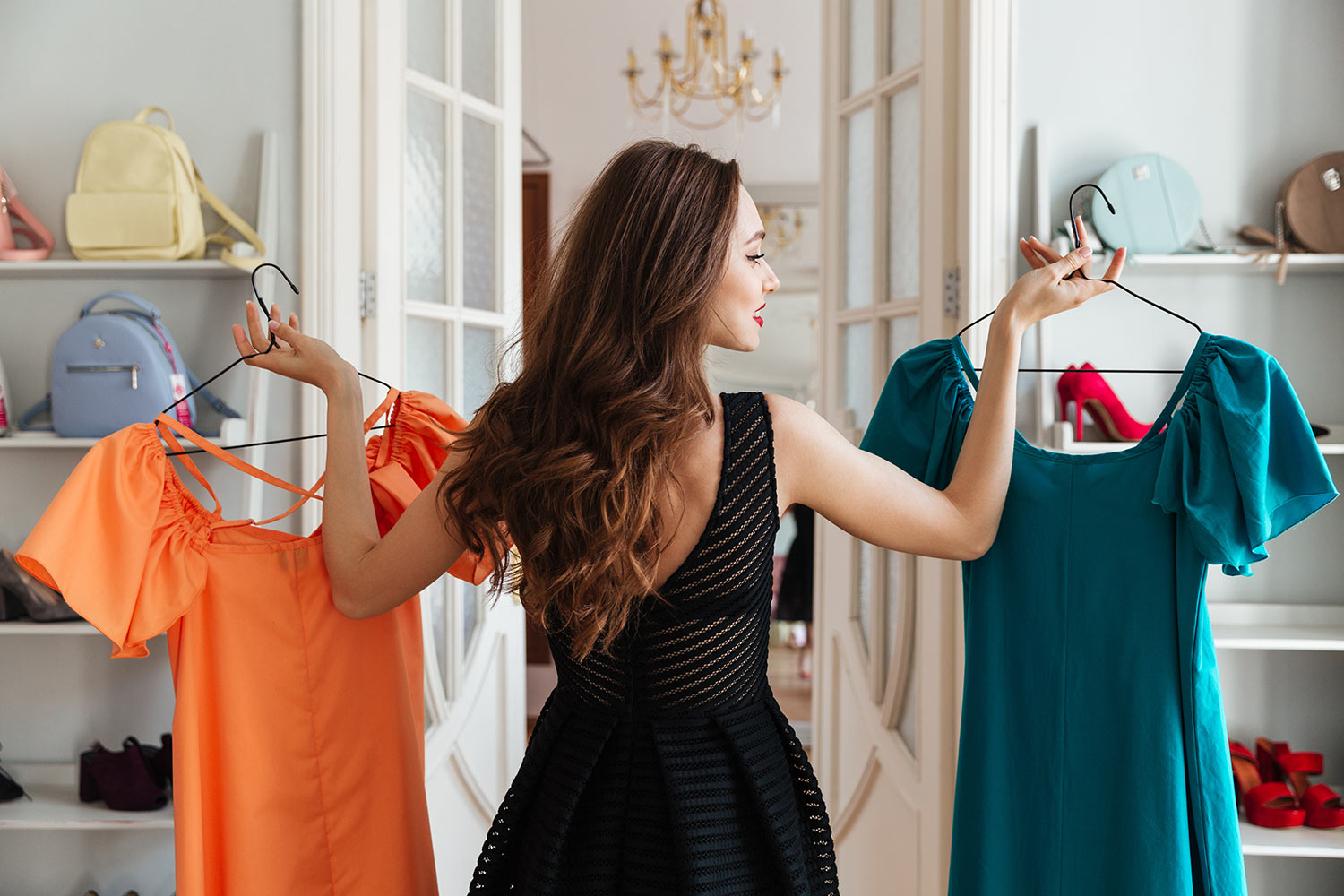
Gen Z’s Fashion Rebellion: Party Girls and Grungy Hipsters Reclaim Hot Vax Summer 2.0
Gen Z is rewriting the rules of Hot Vax Summer 2.0, blending party girl glamour with grungy hipster aesthetics to reclaim fashion as a tool for authenticity and self-expression. Explore the clash of styles, cultural significance, and the rise of sustainable rebellion in this deep dive.
Introduction: The Rise of Hot Vax Summer 2.0
In 2021, “Hot Vax Summer” became an emblem of liberation after pandemic restrictions. Bright neon crop tops, glittering face masks, and carefree street parties symbolized a collective reclaim for normalcy. But two years later, Gen Z isn’t just reviving the trend—they’re reinventing it. Hot Vax Summer 2.0 is no longer just about post-pandemic joy; it’s a cultural takeover where party girls and grungy hipsters collide to challenge norms, assert individuality, and redefine what fashion means in a world obsessed with reinvention.
This evolution isn’t random. It’s a microcosm of Gen Z’s rejection of binary trends, opting instead to merge diametrically opposed styles—pop sensibilities and anti-establishment grit—to create something unapologetically their own. For neon sequined tops paired with thrifted band tees, or platform heels clashing with combat boots. It’s a fashion reclamation driven by authenticity, sustainability, and the raw, unfiltered energy of youth culture.
The Resurgence of Hot Vax Summer 2.0
Hot Vax Summer 2.0 isn’t just a hashtag; it’s a cultural reset. Unlike its predecessor, which revolved around post-pandemic celebration, this iteration is about reclaiming space—both physically and digitally. Gen Z is using fashion to resist commodification, TikTok algorithms, and the pressures of influencers.
The trend’s revival is fueled by a desire to push back against the “corporate co-opting” of street styles. Fast fashion brands (looking at you, Shein, Fashion Nova, and Fashion Active) turned Hot Vax Summer into a merch product of pink crop tops and viral orange high-waisted shorts. But Gen Z isn’t here for a repeat performance. They’re rejecting the algorithmic predictability of past trends in favor of raw creativity that prioritizes authenticity over aesthetic.
The Party Girl Aesthetic: Glow-Up Culture Meets Digital Excess
At first glance, party girls might seem like throwbacks to the 2010s “sparkle era.” But this iteration is more than just sequins and glitter. It’s a celebration of unapologetic self-expression, influenced by hyper-visible spaces like TikTok and Instagram Reels.
Key hallmarks of the party girl aesthetic include:
- Neon hues and metallic textures (e.g., chrome puffer jackets, holographic micro-minis)
- Mixed eras (2000s-inspired UGG boots paired with Y2K-style holographic skirts)
- DIY embellishments (safety pins, rhinestone patches, or DIY glitter paint)
- Statement accessories like chunky gold jewelry and LED sunglasses
This aesthetic thrives on digital excess, mirroring the curated glow-up culture of Gen Z’s favorite platforms. But it’s not just about aesthetics—it’s a reclaiming of joy in a world still grappling with the pandemic’s emotional toll.
The Grungy Hipster Influence: Anti-Establishment Cool for the Digital Age
While party girls dazzle, grungy hipsters embrace the antithesis: aesthetic minimalism and subcultural rebellion. Drawing flannel shirts, thrifted combat boots, and a relentless commitment to sustainability.
This faction is inspired by 90s grunge and 2000s indie scenes but filtered through a Gen Z lens. It’s less about slouched-up flannel shirts and more about conscientious style. For example:
- Ripped jeans jeans paired with modern, oversized blazers
- Earthy tones (olive green, mustard) contrasted with muted pastels
- Handmade or upcycled accessories (think beaded necklaces made from recycled materials)
The grungy hipster isn’t just about aesthetics—it’s a political statement. Gen Z’s obsession with sustainability and anti-capitalism drives this subculture. Thrifting, mending clothes, and rejecting fast fashion are acts of rebellion, not trends.
The Intersection of Contrasts: Party Girl Meets Grungy Hipster
The marriage of party girl exuberance and grungy hipster pragmatism might seem jarring at first. But in Gen Z fashion, contradiction is the new black. This clash of styles is less about coexistence and more about collision.
Why it works:
- Authenticity over aesthetics—Gen Z values personal expression over algorithmic trends.
- Sustainability through hybridity—Combining thrifted staples with bold, new pieces reduces waste while celebrating fresh.
- Rejection of binary categories—Fashion no longer needs to be “viral” or “grungy.” It can be both.
For example, a look might feature a neon pink trench coat (party Hot Vax Summer) paired with black combat boots and a vintage band tee. It’s a visual metaphor for Gen Z’s complex relationship with identity, media, and rebellion.
Hot Vax Summer 2.0: A Table of Style Elements
| Category | Party Girl Aesthetic | Grungy Hipster Aesthetic |
| Color Palette | Neon, metallics, pastels | Earth tones, muted neutrals |
| Influences | TikTok, Instagram, 2000s pop culture | 90s grunge, indie rock, DIY culture |
| Materials | Sequins, synthetic fabrics | Thred, organic, upcycled materials |
| Key Pieces | Micro-minis, platform heels, crop tops | Flannel shirts, combat boots, beanies |
| Cultural Impact | Celebration of joy and self-expression | Anti-consumerism and sustainability |
Fashion Evolution 101: Why Gen Z Is Leading the Charge Rebellion
Gen Z isn’t just following trends—they’re driving the economy of fashion innovation. With 90% of Gen Z consumers prioritizing brands that align with their values (per McKinsey 2023), the rise of Hot Vax Summer 2.0 reflects a shift toward value-driven consumption.
This trend is part of a larger movement:
- Fashion Reclamation—Upcycling and repurposing old trends (like 90s grunge or 2000s glitter) to create new styles.
- Anti-Brand Loyalty—Gen Z isn’t attached to a single brand or aesthetic. They mix high-end designer staples with thrifted items.
- Digital-Physical Hybridity—Looks are curated for both real-world and digital spaces, with influencers blending selfies like TikTok and Pinterest for inspiration.
Sustainability as a Silent Motif
Both party girls and grungy hipsters share a surprising commonality: a commitment to sustainability, albeit expressed differently.
- Grungy hipsters prioritize thrifted and upcycled clothing as an anti-capitalist stance.
- Party girls lean into DIY sparkle by choosing biodegradable glitter and eco-friendly sequins.
This isn’t just a passing phase. Young consumers are forcing brands to adopt more ethical practices, from using recycled materials to offering repair services. The Hot Vax Summer 2.0 trend reflects Gen Z’s belief that style should be both fun and responsible.
The Future of Gen Z Fashion: Continuous Reinvention
As the Hot Vax Summer 2.0 trend evolves, one thing is clear: Gen Z isn’t here to follow the rules. They’re rewriting them. Whether through DIY aesthetics, anti-brand statements, or sustainable glitter, this generation is proving that fashion is more than clothing—it’s a political act of self-determination.
Hot Vax Summer 2.0 is just the beginning. As Gen Z continues to reject binaries and blend subcultures, the fashion industry will have to evolve or risk being left in the dust.
Disclaimer
The information in this blog post is for educational and entertainment purposes only. The author and publisher do not endorse any specific brands, products, or trends mentioned. Fashion experiences with fashion trends may vary, and readers should always conduct their own research, consider sustainability, and prioritize personal style over algorithmic trends.
Keywords:
- Hot Vax Summer 2.0
- Party Girls
- Grungy Hipsters
- Gen Z Fashion Reclamation
- Authenticity in Fashion
- Sustainability in Fashion
Hashtags: #HotVaxSummer2020 #GenZFashion #TrendRebellion #SustainableStyle #PartyFastFashion #DigitalExcess
Have any thoughts?
Share your reaction or leave a quick response — we’d love to hear what you think!
-
 0
-
 0
-
 0
-
 0
-
 0
-
 0
