
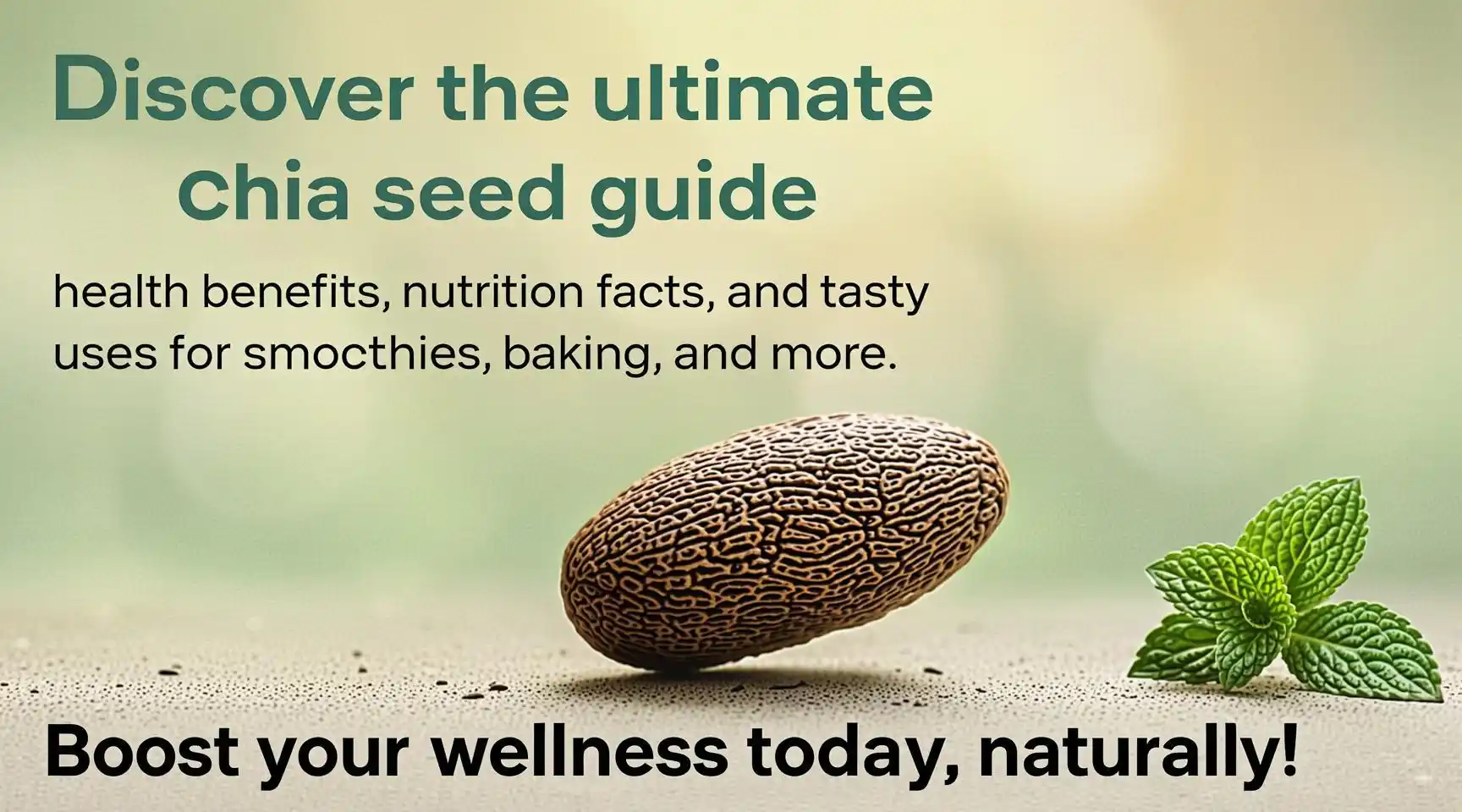
The Ultimate Guide to Chia Seeds: Benefits, Nutrition, and Uses
Introduction: The Rise of a Tiny Powerhouse
In the vast landscape of nutritional superfoods, few have captured the collective imagination of health enthusiasts, chefs, and scientists quite like the chia seed. Tiny, oval, and speckled with shades of black, white, and gray, these seeds are derived from the desert plant Salvia hispanica L, a member of the mint family that grows abundantly in Central and South America. While they may seem unassuming given their minuscule size, chia seeds pack a colossal nutritional punch that has earned them a permanent place in the pantries of health-conscious individuals around the globe.
Historically, chia was not merely a food source but a staple of civilization. The ancient Aztecs and Mayans revered these seeds, utilizing them as a primary energy source. In fact, the word “chia” itself is derived from the ancient Mayan word for “strength.” Warriors and messengers allegedly consumed chia seeds to sustain themselves during long, arduous journeys and battles. They were so valued that they were often used as currency and offered to the gods in religious ceremonies. However, following the Spanish conquest of Mesoamerica, the cultivation of chia was suppressed as the Spanish colonizers sought to dismantle indigenous cultural and agricultural practices. For centuries, chia remained a regional crop, largely unknown to the rest of the world.
The modern renaissance of chia began in the late 20th and early 21st centuries, as researchers and nutritionists began to rediscover the exceptional nutritional profile of this ancient grain. Today, chia is celebrated globally, not just as a health food, but as a versatile culinary ingredient. It has transcended its status as a niche product found only in health food stores to become a common item in mainstream supermarkets.
This guide aims to explore every facet of the chia seed, taking a deep dive into its historical roots, its impressive chemical composition, the scientifically backed health benefits it offers, and the myriad ways it can be incorporated into a modern diet. Whether you are a seasoned nutritionist, a curious home cook, or someone simply looking to improve their health, this comprehensive exploration of chia seeds will provide you with all the information you need to harness the full potential of this ancient superfood.
Chapter 1: The History and Botany of Chia
The Ancient Origins
To truly understand the value of chia, one must look back to the cradle of Mesoamerican civilization. Archaeological evidence suggests that chia was cultivated as early as 3500 B.C. It was one of the four main crops of the Aztec civilization, alongside maize (corn), beans, and amaranth. These four plants formed the backbone of the Aztec diet and economy.
The Aztecs and Mayans utilized chia in various forms. The seeds were eaten whole, ground into flour, pressed for oil, and mixed with water to create a beverage. One of the most famous preparations was “chia fresca,” a refreshing drink made by soaking chia seeds in water and adding lime and fruit juice. This drink is still consumed today in Mexico and Central America.
When the Spanish conquistadors arrived in the 16th century, they encountered a culture deeply intertwined with chia. However, due to the seeds’ association with pagan religious rituals, the Spanish banned their cultivation and replaced them with European crops like wheat and barley. This nearly drove chia into extinction, save for small, remote patches where indigenous communities continued to grow it in secret.
The Botanical Profile
Chia (Salvia hispanica) is an annual herbaceous plant that typically grows to about 1 to 1.5 meters (3 to 5 feet) in height. It belongs to the Lamiaceae family, making it a relative of mint, sage, and basil. The plant produces clusters of blue or purple flowers, which eventually give way to the seeds we know and love.
The plant is hardy and drought-resistant, capable of thriving in the semi-arid environments of Mexico, Guatemala, Bolivia, and Argentina. It requires well-drained soil and moderate rainfall. The seeds themselves are small—about 1 millimeter in diameter—and exhibit a unique characteristic known as hydrophilic (water-loving) properties. When exposed to liquid, the outer coat of the seed absorbs water rapidly, forming a gelatinous capsule. This trait is crucial for the seed’s survival in dry climates, allowing it to retain moisture for germination, and it is this same property that makes chia so beneficial for human digestion and hydration.
In recent decades, agricultural scientists have developed different varieties of chia to optimize yield and nutritional content. While black chia seeds are the most common, white chia seeds are also available. Nutritionally, there is little difference between the two, though some proponents claim that white seeds may have a slightly milder flavor.
Chapter 2: A Deep Dive into Nutrition Facts
The reputation of chia as a superfood is well-earned. A detailed analysis of its nutritional profile reveals why these tiny seeds are considered a nutrient-dense powerhouse. The following breakdown is based on a standard serving size of one ounce (approximately 28 grams) of dried chia seeds.
Macronutrients
Calories: An ounce of chia seeds contains roughly 137 calories. Despite being calorie-dense, the nutrient-to-calorie ratio is exceptionally high.
Fiber: Perhaps the most significant macronutrient in chia is fiber. A single serving provides a staggering 10 to 12 grams of dietary fiber. This constitutes about 40% to 50% of the recommended daily intake for adults. The fiber in chia is a mix of soluble (which dissolves in water) and insoluble (which does not), promoting digestive health and blood sugar regulation.
Fat: Chia seeds are rich in healthy fats, with about 9 grams per serving. The standout component here is Omega-3 fatty acids. Specifically, chia is one of the richest plant-based sources of Alpha-Linolenic Acid (ALA). ALA is an essential fatty acid, meaning the body cannot produce it on its own; it must be obtained through diet.
Protein: With approximately 4.4 grams of protein per ounce, chia seeds are a respectable source of plant-based protein. More importantly, they contain a complete profile of essential amino acids, making them a rare non-animal complete protein source. This is particularly valuable for vegetarians and vegans looking to balance their amino acid intake.
Carbohydrates: Because most of the carbohydrates in chia come from fiber, the “net carb” count (total carbs minus fiber) is very low, usually around 1 to 2 grams per serving. This makes chia an incredibly friendly food for low-carb and ketogenic diets.
Micronutrients (Vitamins and Minerals)
Chia seeds are a treasure trove of essential minerals.
- Calcium: Surprisingly, chia seeds contain more calcium per gram than dairy products. An ounce provides about 18% of the Recommended Dietary Allowance (RDA).
- Magnesium: Essential for energy production and muscle function, a serving of chia offers roughly 30% of the RDA.
- Phosphorus: Working in tandem with calcium, phosphorus is vital for bone health. Chia provides about 27% of the RDA.
- Manganese: A trace mineral important for metabolism and bone development, chia provides roughly 30% of the RDA.
Additionally, chia seeds contain Zinc, Potassium, Vitamin B1 (Thiamine), Vitamin B2 (Riboflavin), and Vitamin B3 (Niacin) in smaller but significant amounts.
Antioxidants
Beyond basic nutrition, chia seeds are loaded with antioxidants. These compounds protect the sensitive fats in the seeds from going rancid and combat free radicals in the body. Key antioxidants found in chia include:
- Chlorogenic Acid: Known for its potential to lower blood pressure.
- Caffeic Acid: Known for its anti-inflammatory properties.
- Quercetin: A powerful flavonoid that may reduce the risk of heart disease and cancer.
- Kaempferol: Another flavonoid linked to reduced cancer risk.
Chapter 3: The Science of Health Benefits
The nutritional profile of chia seeds translates into a wide array of tangible health benefits. While “superfood” is a marketing term, in the case of chia, scientific research supports many of the claims regarding its impact on human health.
- Cardiovascular Health and Omega-3 Fatty Acids
The high concentration of Omega-3 fatty acids (specifically ALA) in chia seeds is perhaps their most touted benefit. Omega-3s are known for their anti-inflammatory properties and their ability to reduce the risk of heart disease.
- Reducing Inflammation: Chronic inflammation is a root cause of many diseases, including heart disease. ALA helps lower levels of inflammatory markers in the blood.
- Cholesterol Regulation: Studies suggest that regular consumption of chia seeds can help lower LDL (bad) cholesterol and triglyceride levels while maintaining or slightly raising HDL (good) cholesterol.
- Blood Pressure: The combination of Omega-3s, magnesium, and antioxidants in chia contributes to lowering blood pressure, reducing the strain on the cardiovascular system.
- Digestive Health and Satiety
The massive fiber content in chia seeds has profound effects on the digestive system.
- Prebiotic Effect: Chia seeds feed the healthy bacteria in your gut. When the soluble fiber in chia ferments in the colon, it produces short-chain fatty acids that nourish the gut lining and reduce inflammation.
- Regularity: The insoluble fiber adds bulk to the stool, helping food pass more easily through the digestive tract and preventing constipation.
- Satiety and Weight Loss: When chia seeds are consumed, they absorb liquid and expand in the stomach. This physical expansion creates a feeling of fullness (satiety) which can lead to a reduction in overall calorie intake. Furthermore, the protein in chia helps reduce ghrelin, the “hunger hormone.”
- Blood Sugar Regulation
For individuals with Type 2 diabetes or those at risk of developing it, chia seeds can be a powerful dietary tool. The gel-forming fiber in chia creates a physical barrier in the gut that slows down the absorption of sugars into the bloodstream. This prevents the rapid spikes in blood sugar (and insulin) that typically follow a high-carbohydrate meal. Several studies have shown that consuming bread or other foods containing chia seeds results in significantly lower post-meal blood glucose responses compared to control foods.
- Bone Health
With high levels of calcium, magnesium, and phosphorus, chia seeds support bone density. This is particularly crucial for populations that do not consume dairy products. The calcium in chia is also highly bioavailable, meaning the body can absorb it efficiently. Adequate intake of these minerals is essential for preventing osteoporosis later in life.
- Exercise and Hydration
The ancient Aztec runners were onto something. Because chia seeds can absorb up to 10-12 times their weight in water, they help maintain hydration. “Chia water” or the gel formed by the seeds can help athletes retain electrolytes and stay hydrated during endurance events. Additionally, the nutrient density provides a steady stream of energy without the “crash” associated with high-sugar energy gels.
Chapter 4: Culinary Uses and Incorporation
One of the most appealing aspects of chia seeds is their culinary versatility. They have a mild, nutty flavor that is virtually undetectable in sweet dishes and blends well with savory ingredients. Unlike flaxseeds, chia seeds do not need to be ground to be digested (though grinding can make some nutrients more bioavailable).
Chia Gel and Egg Replacement
The most fundamental culinary technique involving chia is making “chia gel.” To make this, simply mix 1/3 cup of chia seeds with 2 cups of water. Whisk immediately and let sit for 5-10 minutes, whisking occasionally to prevent clumping. The result is a thick, viscous gel.
- Egg Substitute: In baking, 1 tablespoon of chia seeds mixed with 3 tablespoons of water (and left to sit for 15 minutes) can replace one egg. This is an excellent option for vegan baking. The gel binds the ingredients together similarly to a beaten egg.
Chia Pudding
Chia pudding has become a breakfast staple. The method is simple: soak chia seeds in milk (dairy or plant-based) overnight. The seeds absorb the liquid and create a custard-like texture.
- Flavor Variations: The base is neutral, allowing for infinite variations. Cinnamon and vanilla, cocoa powder, mashed berries, or matcha powder can be added to the milk before soaking.
Smoothies and Beverages
Adding a tablespoon of chia seeds to a smoothie is an easy way to boost fiber and Omega-3s. They act as a thickener, giving the smoothie a more substantial texture. In Latin America, “Chia Fresca” remains a popular drink. It is made by mixing a teaspoon of seeds into a glass of water with lemon or lime juice and a touch of sweetener.
Baking
Chia seeds can be sprinkled on top of bread, muffins, and bagels for a crunch and a nutritional boost. They can also be incorporated directly into the batter of pancakes, waffles, and cookies. When adding chia to dry ingredients, keep in mind they will absorb moisture from the batter, so you may need to slightly increase the liquid content of your recipe.
Savory Dishes
Chia seeds are not just for dessert. They can be used as a thickener for soups, stews, and gravies, adding body without altering the flavor profile. They can also be sprinkled over salads as a crunchy topping or mixed into meatloaf and burger patties as a binder.
Chapter 5: Practical Considerations and Storage
Buying Chia Seeds
When purchasing chia seeds, consumers have the choice between black and white varieties. As noted, nutritionally they are nearly identical. White seeds are sometimes preferred for baking where black specks might be undesirable for aesthetic reasons. Always look for organic, non-GMO certified seeds to ensure purity and the absence of pesticides.
Storage and Shelf Life
Thanks to their high antioxidant content, chia seeds are much more stable than other seeds rich in Omega-3s, such as flaxseeds. Whole chia seeds can be stored at room temperature in a cool, dry place for up to two years without going rancid.
- Ground Chia: If you choose to grind your chia seeds (to make “chia flour”), the protective outer shell is broken, exposing the fats to air. Ground chia should be stored in an airtight container in the refrigerator or freezer to preserve freshness and prevent spoilage.
Dosage and Consumption
There is no established “upper limit” for chia seeds, but like any food, moderation is key. Most nutrition experts recommend a daily intake of 1 to 2 tablespoons (15-30 grams). This amount provides a significant nutritional boost without adding excessive calories. It is crucial to drink plenty of water when consuming chia seeds, especially in dry form, to ensure they can hydrate properly in the stomach and prevent digestive discomfort.
Chapter 6: Potential Side Effects and Contraindications
While chia seeds are generally safe for the majority of the population, there are specific considerations to keep in mind.
Digestive Issues
The high fiber content, while beneficial, can be a shock to the system for those unaccustomed to a high-fiber diet. Introducing chia seeds too quickly can lead to bloating, gas, and abdominal cramping. It is best to start with a small amount (e.g., one teaspoon) and gradually increase the serving size over several weeks.
Choking Hazards
Because chia seeds expand rapidly and become gelatinous when wet, they can pose a choking hazard, particularly for young children or individuals with dysphagia (swallowing difficulties). Dry chia seeds should never be eaten directly from the spoon and washed down with water, as they can absorb the water in the esophagus and cause a blockage. They should always be mixed with food or liquid before consumption.
Medication Interactions
Chia seeds can lower blood pressure and blood sugar. While this is generally a positive effect, it can be dangerous for individuals already taking medication for hypertension (high blood pressure) or diabetes. The combination of chia seeds and these medications could cause blood pressure or blood sugar to drop to dangerously low levels (hypotension or hypoglycemia). Consultation with a healthcare provider is advised for those on such medications.
Blood Thinning
Due to their high Omega-3 content, which has mild anticoagulant properties, chia seeds may increase the risk of bleeding when taken in large doses alongside blood-thinning medications like warfarin.
Chapter 7: Chia Seeds in a Sustainable Future
Beyond personal health, chia seeds offer benefits for the planet. The chia plant is remarkably sustainable. It requires significantly less water than crops like corn, wheat, or rice. It is naturally resistant to pests, reducing the need for pesticide application. Furthermore, it grows in marginal soils where other crops might fail, making it a viable option for sustainable agriculture in arid regions. By incorporating chia into our diets, we are not only supporting our own health but also supporting agricultural practices that are lighter on the earth.
Conclusion: Embracing the Seed of Strength
From the running messengers of the Aztec empire to the smoothie bowls of the 21st century, chia seeds have endured as a source of vitality. Their remarkable nutritional profile—rich in fiber, Omega-3 fatty acids, protein, and essential minerals—makes them one of the most nutrient-dense foods available on the planet.
Whether your goal is to improve heart health, stabilize blood sugar, aid digestion, or simply add a crunchy texture to your morning yogurt, chia seeds offer a versatile and effective solution. They bridge the gap between ancient wisdom and modern nutritional science, proving that sometimes the most powerful solutions come in the smallest packages.
By understanding how to select, store, and prepare chia seeds, you can unlock their full potential. As with any dietary change, consistency and balance are key. Integrating a tablespoon or two of chia seeds into your daily routine is a small, simple step that can yield significant long-term health dividends.
As we continue to navigate the complexities of modern nutrition, looking back to ancient foods like chia reminds us that nature often provides the best medicine. So, the next time you see those tiny specks in your grocery store aisle, remember: you are looking at a seed of strength, a humble grain that once fueled empires and now fuels the healthy lives of millions.
Keywords: Chia Seeds Nutrition, Omega-3 Fatty Acids, Dietary Fiber
Hashtags: #ChiaSeeds #Superfood #HealthyLiving
Disclaimer: The content provided in this comprehensive guide is for informational purposes only and is not intended as a substitute for professional medical advice, diagnosis, or treatment. Always seek the advice of your physician or other qualified health provider with any questions you may have regarding a medical condition or dietary changes. Individual nutritional needs may vary.
Have any thoughts?
Share your reaction or leave a quick response — we’d love to hear what you think!
-
 0
-
 0
-
 0
-
 0
-
 0
-
 0
