
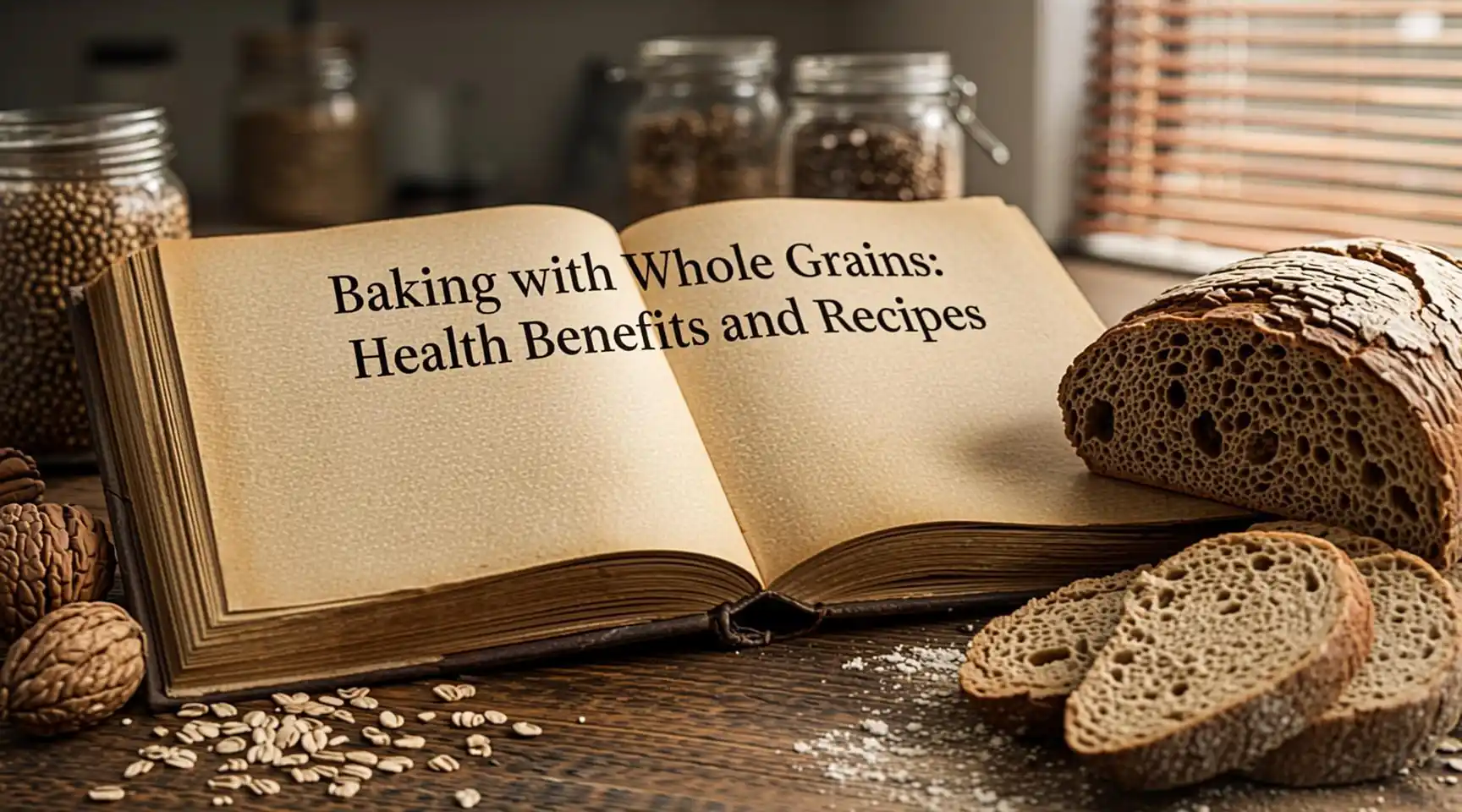
Baking with Whole Grains: Health Benefits and Recipes
Your ultimate guide to wholesome, heart‑healthy baking—packed with science‑backed benefits, pro tips, and mouth‑watering recipes you can start today.
Discover the power of whole‑grain baking! Learn the top health benefits, how to choose the best grains, and try six delicious, nutrient‑packed recipes that will transform your kitchen and your well‑being.
Table of Contents
- Why Bake with Whole Grains?
- Health Benefits of Whole‑Grain Baking
- Fiber & Digestive Health
- Vitamins, Minerals & Antioxidants
- Blood‑Sugar & Heart Health
- Weight Management & Satiety
- Choosing the Right Whole Grains for Baking
- Essential Whole‑Grain Baking Techniques
- Six Whole‑Grain Recipes to Try Right Now
- 5.1 Whole‑Wheat Banana Bread
- 5.2 Spelt & Oat Blueberry Muffins
- 5.3 Buckwheat Chocolate Chip Cookies
- 5.4 Quinoa‑Infused Banana Pancakes
- 5.5 Amaranth & Almond Coffee Cake
- 5.6 Barley & Apple Crumble Bars
- Tips for Baking Success
- Frequently Asked Questions
- Closing Thoughts & Next Steps
- Disclaimer
- Why Bake with Whole Grains?
When you swap refined flour for a whole‑grain alternative, you’re not just changing texture—you’re upgrading the nutritional profile of every bite. Whole grains retain all three parts of the kernel—the bran, germ, and endosperm—so they provide more fiber, protein, vitamins, and minerals than their refined counterparts.
From a culinary perspective, whole grains bring nutty flavors, hearty textures, and a subtle earthy sweetness that can elevate everything from a simple scone to an elegant artisan loaf.
Bottom line: Baking with whole grains is a win‑win—delicious results + a genuine health boost.
- Health Benefits of Whole‑Grain Baking
Below are the key reasons nutrition experts and dietitians champion whole grains in everyday meals, especially baked goods that traditionally rely on refined flour.
2.1 Fiber & Digestive Health
- Soluble fiber (beta‑glucan in oats, barley) forms a gel‑like substance that slows digestion, helping to moderate blood sugar spikes.
- Insoluble fiber (bran layers in wheat, rye) adds bulk, promoting regular bowel movements and supporting a healthy gut microbiome.
Result: Better digestive comfort, reduced constipation, and a lower risk of colon disease.
2.2 Vitamins, Minerals & Antioxidants
| Grain | Notable Nutrients |
| Whole wheat | B‑vitamins (B1, B3, B5, B6), iron, magnesium, selenium |
| Spelt | Zinc, copper, niacin |
| Buckwheat | Manganese, magnesium, rutin (antioxidant) |
| Quinoa | Complete protein (9 essential amino acids), phosphorus, folate |
| Amaranth | Calcium, iron, lysine (rare in grains) |
| Barley | Selenium, copper, beta‑glucan fiber |
These micronutrients support energy production, immune function, bone health, and cellular repair—all essential for an active lifestyle.
2.3 Blood‑Sugar & Heart Health
- Lower Glycemic Index (GI): Whole grains slow glucose absorption, reducing post‑meal blood‑sugar spikes.
- Heart‑friendly compounds: Beta‑glucan and phytosterols help lower LDL cholesterol.
Clinical note: Regular consumption of at least three servings of whole grains per day is associated with a 15–20% reduced risk of heart disease (American Heart Association).
2.4 Weight Management & Satiety
The combined effect of fiber, protein, and complex carbs keeps you full longer, curbing cravings and supporting a healthy weight loss or maintenance plan.
- Choosing the Right Whole Grains for Baking
| Grain | Best Baking Uses | Flavor Profile | Tips |
| Whole Wheat Flour | Bread, pizza crust, muffins | Mildly nutty | Sift to remove excess bran for lighter cakes |
| Spelt Flour | Cookies, quick breads, pancakes | Sweet, buttery | Substitute up to 100% for wheat in most recipes |
| Buckwheat Flour | Pancakes, crepes, chocolate cookies | Earthy, slightly bitter | Blend with other flours to soften flavor |
| Oat Flour | Bars, muffins, crumble toppings | Sweet, soft | Use certified gluten‑free oats if needed |
| Quinoa Flour | Gluten‑free muffins, brownies | Nutty, slightly crunchy | Combine with starches (rice, tapioca) for texture |
| Amaranth Flour | Gluten‑free breads, cookie bases | Nutty, malt‑like | Use ≤30% of total flour in a blend |
| Barley Flour | Flatbreads, scones, multi‑grain loaves | Mildly sweet | High water absorption—adjust liquids |
Pro tip: For most home bakers, a 1:1 blend of whole wheat and a secondary grain (e.g., 50% whole wheat + 50% spelt) delivers both flavor depth and a tender crumb without radically changing technique.
- Essential Whole‑Grain Baking Techniques
- Hydration is Key – Whole‑grain flours absorb 20‑30% more liquid than white flour. Increase water/milk by ¼ to ½ cup per cup of whole‑grain flour.
- Rest the Dough – Allow batter or dough to rest 10‑30 minutes before baking. This gives the bran and germ time to hydrate, reducing a gritty texture.
- Gentle Mixing – Over‑mixing can damage gluten formation, leading to dense loaves. Mix until just combined, then let rest.
- Leavening Adjustments – Whole grains are heavier, so slightly increase baking powder/soda (by ¼ tsp per cup of flour) to achieve proper rise.
- Temperature Tweaks – Bake at a slightly lower temperature (25‑30°F) for longer if you notice excessive browning before the interior is cooked.
- Six Whole‑Grain Recipes to Try Right Now
Below are detailed, SEO‑optimized recipes that showcase the versatility of whole‑grain baking. Each recipe includes nutrition highlights, a step‑by‑step method, and ingredient substitutions for dietary needs.
5.1 Whole‑Wheat Banana Bread
Why it shines: The natural sweetness of ripe bananas pairs perfectly with the nutty depth of whole‑wheat flour, delivering a moist loaf rich in potassium and fiber.
Ingredients (makes 1 9‑inch loaf)
| Component | Amount |
| Whole‑wheat flour | 1 ½ cups |
| Baking soda | ½ tsp |
| Salt | ¼ tsp |
| Ground cinnamon | 1 tsp |
| Ripe bananas, mashed | 3 (≈1 ½ cups) |
| Greek yogurt (plain) | ¼ cup |
| Honey or maple syrup | ¼ cup |
| Egg, large | 1 |
| Olive oil (extra‑virgin) | ¼ cup |
| Vanilla extract | 1 tsp |
| Optional: walnuts, chopped | ½ cup |
Method
- Preheat oven to 350°F (175°C). Grease a 9‑inch loaf pan or line with parchment.
- Whisk dry ingredients (flour, baking soda, salt, cinnamon) in a large bowl.
- In a separate bowl, combine wet ingredients: mashed bananas, yogurt, honey, egg, oil, and vanilla.
- Fold wet mixture into dry ingredients until just combined. Do not over‑mix.
- Stir in walnuts (if using). Let the batter rest 10 minutes to hydrate the flour.
- Pour batter into pan, smooth top, and bake 55‑60 minutes or until a toothpick comes out clean.
- Cool 10 minutes before removing; then cool completely on a rack.
Nutrition snapshot (per slice, 12 slices):
- Calories: 180
- Protein: 5 g
- Fiber: 3 g
- Sugar: 9 g (natural + honey)
Substitution tip: Replace Greek yogurt with unsweetened almond yogurt for a dairy‑free version; swap honey with agave nectar for vegan.
5.2 Spelt & Oat Blueberry Muffins
Why it shines: Spelt provides a tender crumb, while oat flour adds extra moisture and a slight sweetness—perfect for a quick‑grab breakfast.
Ingredients (makes 12 muffins)
| Component | Amount |
| Spelt flour | 1 cup |
| Oat flour | ½ cup |
| Baking powder | 2 tsp |
| Baking soda | ¼ tsp |
| Salt | ¼ tsp |
| Cinnamon | 1 tsp |
| Unsweetened applesauce | ½ cup |
| Milk (dairy or plant) | ½ cup |
| Egg | 1 |
| Maple syrup | ⅓ cup |
| Fresh or frozen blueberries | 1 cup |
| Lemon zest (optional) | 1 tsp |
Method
- Preheat oven to 375°F (190°C). Line a 12‑cup muffin tin with paper liners.
- Combine flours, leaveners, salt, and cinnamon. Whisk to remove lumps.
- In another bowl, mix wet ingredients: applesauce, milk, egg, maple syrup, lemon zest.
- Fold wet into dry until just blended. Gently fold in blueberries.
- Spoon batter ⅔ full into each liner.
- Bake 18‑20 minutes until tops are golden and a toothpick comes out clean.
- Cool 5 minutes before serving.
Nutrition snapshot (per muffin):
- Calories: 120
- Protein: 3 g
- Fiber: 2 g
- Sugar: 8 g (mostly from blueberries & maple)
Pro tip: For extra moisture, replace ¼ cup of spelt flour with whole‑grain oat bran.
5.3 Buckwheat Chocolate Chip Cookies
Why it shines: Buckwheat’s rich, earthy flavor pairs wonderfully with dark chocolate, giving a gluten‑free cookie that’s crisp on the edges and chewy inside.
Ingredients (makes ~24 cookies)
| Component | Amount |
| Buckwheat flour | 1 cup |
| Almond flour | ½ cup |
| Baking soda | ½ tsp |
| Sea salt | ¼ tsp |
| Coconut oil, melted | ¼ cup |
| Coconut sugar | ⅓ cup |
| Egg, large | 1 |
| Vanilla extract | 1 tsp |
| Dark chocolate chips (70% cacao) | ¾ cup |
| Optional: chopped hazelnuts | ¼ cup |
Method
- Preheat oven to 350°F (175°C). Line two baking sheets with parchment.
- Whisk together dry ingredients (buckwheat flour, almond flour, baking soda, salt).
- In a separate bowl, cream coconut oil and coconut sugar until light. Add egg and vanilla; mix well.
- Stir dry into wet until a dough forms. Fold in chocolate chips (and nuts, if using).
- Scoop tablespoon-sized balls onto sheets, spacing 2 inches apart. Flatten slightly with hand.
- Bake 10‑12 minutes until edges turn golden. Cool 5 minutes on sheet, then transfer to rack.
Nutrition snapshot (per cookie):
- Calories: 95
- Protein: 2 g
- Fiber: 1 g
- Sugar: 5 g (natural & coconut)
Allergy note: Ensure all ingredients are certified gluten‑free if you require strict avoidance.
5.4 Quinoa‑Infused Banana Pancakes
Why it shines: Quinoa adds a complete protein boost and a subtle, nutty crunch to classic banana pancakes—great for post‑workout fuel.
Ingredients (serves 4)
| Component | Amount |
| Cooked quinoa | ½ cup |
| Whole‑wheat flour | ¾ cup |
| Baking powder | 1 tsp |
| Salt | Pinch |
| Ripe banana, mashed | 1 large |
| Milk (or oat milk) | ¾ cup |
| Egg | 1 |
| Greek yogurt | ¼ cup |
| Vanilla extract | ½ tsp |
| Coconut oil (for cooking) | As needed |
Method
- In a bowl, combine flour, baking powder, and salt.
- In another bowl, whisk banana, milk, egg, yogurt, and vanilla.
- Stir wet into dry, then fold in cooked quinoa. Let batter rest 5 minutes.
- Heat a non‑stick skillet over medium heat, melt a little coconut oil, and pour ¼‑cup portions.
- Cook 2‑3 minutes per side until bubbles form and edges set.
- Serve stacked with fresh berries, a drizzle of maple syrup, and a sprinkle of toasted quinoa.
Nutrition snapshot (per 3‑pancake serving):
- Calories: 210
- Protein: 10 g
- Fiber: 4 g
- Sugar: 7 g (mostly from banana)
Tip: For a vegan version, replace Greek yogurt with silken tofu blended with lemon juice.
5.5 Amaranth & Almond Coffee Cake
Why it shines: Amaranth supplies lysine, an essential amino acid often missing in grains, while almond flour provides buttery richness and a low‑glycemic profile—ideal for a mid‑morning treat.
Ingredients (9‑inch cake)
Streusel Topping
- Almond flour – ½ cup
- Brown sugar – 2 Tbsp
- Ground cinnamon – 1 tsp
- Melted butter – 2 Tbsp
Cake Batter
- Amaranth flour – 1 cup
- Whole‑wheat flour – ½ cup
- Baking powder – 1 tsp
- Baking soda – ½ tsp
- Salt – ¼ tsp
- Ground ginger – ½ tsp
- Unsweetened applesauce – ½ cup
- Greek yogurt – ¼ cup
- Egg – 1
- Honey – ¼ cup
- Olive oil – ¼ cup
- Vanilla extract – 1 tsp
- Freshly brewed strong coffee (cooled) – ¼ cup
Method
- Preheat oven to 350°F (175°C). Grease a 9‑inch springform pan.
- Prepare streusel: Mix almond flour, brown sugar, cinnamon, and melted butter. Set aside.
- Whisk dry ingredients (amaranth flour, whole‑wheat flour, leaveners, salt, ginger) together.
- In a large bowl, beat wet ingredients: applesauce, yogurt, egg, honey, oil, vanilla, and coffee.
- Combine wet & dry, stirring just until smooth.
- Pour batter into pan, sprinkle streusel evenly over top.
- Bake 35‑40 minutes until a toothpick comes out clean. Cool 15 minutes, then release from pan.
Nutrition snapshot (per slice, 12 slices):
- Calories: 180
- Protein: 5 g
- Fiber: 3 g
- Sugar: 9 g
Variation: Swap honey for agave nectar for a vegan version; use coconut yogurt instead of Greek yogurt.
5.6 Barley & Apple Crumble Bars
Why it shines: Barley’s beta‑glucan fiber pairs with tart apples for a chewy, fruit‑forward bar that’s perfect for snack‑time or lunch‑box treats.
Ingredients (makes 16 bars)
Base
- Barley flour – 1 cup
- Oat flour – ½ cup
- Baking powder – 1 tsp
- Salt – ¼ tsp
- Coconut oil (solid) – ¼ cup, cut into pieces
- Maple syrup – ¼ cup
Filling
- Apples, peeled & diced – 2 cups
- Brown sugar – 2 Tbsp
- Lemon juice – 1 Tbsp
- Cinnamon – 1 tsp
- Cornstarch – 1 tsp
Crumble Topping
- Rolled oats – ½ cup
- Almond flour – ¼ cup
- Coconut sugar – 2 Tbsp
- Melted butter – 2 Tbsp
Method
- Preheat oven to 375°F (190°C). Line a 9×13‑inch pan with parchment.
- Combine base ingredients (flours, baking powder, salt). Use a pastry cutter or fingers to blend in solid coconut oil until crumbly. Stir in maple syrup; press mixture firmly into pan bottom.
- Toss apple filling: apples, brown sugar, lemon, cinnamon, cornstarch. Spread evenly over base.
- Mix crumble topping: oats, almond flour, coconut sugar, melted butter. Sprinkle over apples.
- Bake 30‑35 minutes until top is golden and apples are bubbling. Cool completely, then cut into bars.
Nutrition snapshot (per bar):
- Calories: 150
- Protein: 3 g
- Fiber: 4 g
- Sugar: 9 g (mostly from apples & maple)
Storage tip: Store in an airtight container at room temperature for up to 3 days or refrigerate for a week.
- Tips for Baking Success
| Challenge | Solution |
| Dense texture | Increase hydration, rest batter, and don’t over‑mix. |
| Bitterness from bran | Sift half the whole‑grain flour or combine with sweeter ingredients (fruit, honey). |
| Crumbly gluten‑free loaves | Add xanthan gum (¼ tsp per cup of flour) or use psyllium husk for structure. |
| Uneven rise | Allow dough to proof in a warm, draft‑free area; use a warm oven (just turned off) for a quick 10‑minute boost. |
| Over‑browning | Cover loaves with foil halfway through baking or lower oven temperature by 25°F. |
- Frequently Asked Questions
- How many servings of whole grains should I aim for each day?
The Dietary Guidelines for Americansrecommend at least 3 ½ ounces(≈ 1 cup cooked) of whole grains daily for adults. - Can I substitute whole‑grain flour 1:1 for white flour?
Generally yes, but expect a denser texture and adjust liquid by +¼ cup per cup of whole‑grain flour. - Are whole‑grain flours gluten‑free?
Only buckwheat, quinoa, amaranth, millet, and sorghumare naturally gluten‑free. Wheat‑based whole grains (whole wheat, spelt, barley) contain gluten. - How do I store whole‑grain flours?
Keep them airtightin a cool, dark pantry for up to 3 months. For longer storage, refrigerate or freeze—especially for nutty flours that can turn rancid. - My whole‑grain breads are too heavy—what’s wrong?
Likely the dough didn’t get enough hydration or fermentation time. Try a longer autolyse(mix flour & water, rest 20‑30 min) and extend the rise by 30 minutes.
- Closing Thoughts & Next Steps
Baking with whole grains isn’t just a culinary trend; it’s a simple, sustainable way to boost your nutrient intake without sacrificing taste. By selecting the right grain, mastering hydration, and using the recipes above, you can enjoy everything from a hearty banana bread to a delicate almond coffee cake—all while feeding your body the fiber, protein, and micronutrients it craves.
Ready to get started?
- Pick one of the six recipes above.
- Make a small batch using a 1:1 whole‑grain to white‑flour swap to feel the difference.
- Share your creations on social media with the hashtags below—let’s inspire others to bake smarter, healthier, and more deliciously!
Disclaimer
The information presented in this article is for educational purposes only and does not constitute medical, nutritional, or professional advice. Always consult a qualified healthcare provider or registered dietitian before making significant changes to your diet, especially if you have existing health conditions or food allergies.
Keywords used for SEO: whole grain baking, health benefits of whole grains, whole grain recipes
Hashtags: #WholeGrainBaking #HealthyBaking #CleanEating
Have any thoughts?
Share your reaction or leave a quick response — we’d love to hear what you think!
-
 0
-
 0
-
 0
-
 0
-
 0
-
 0
