
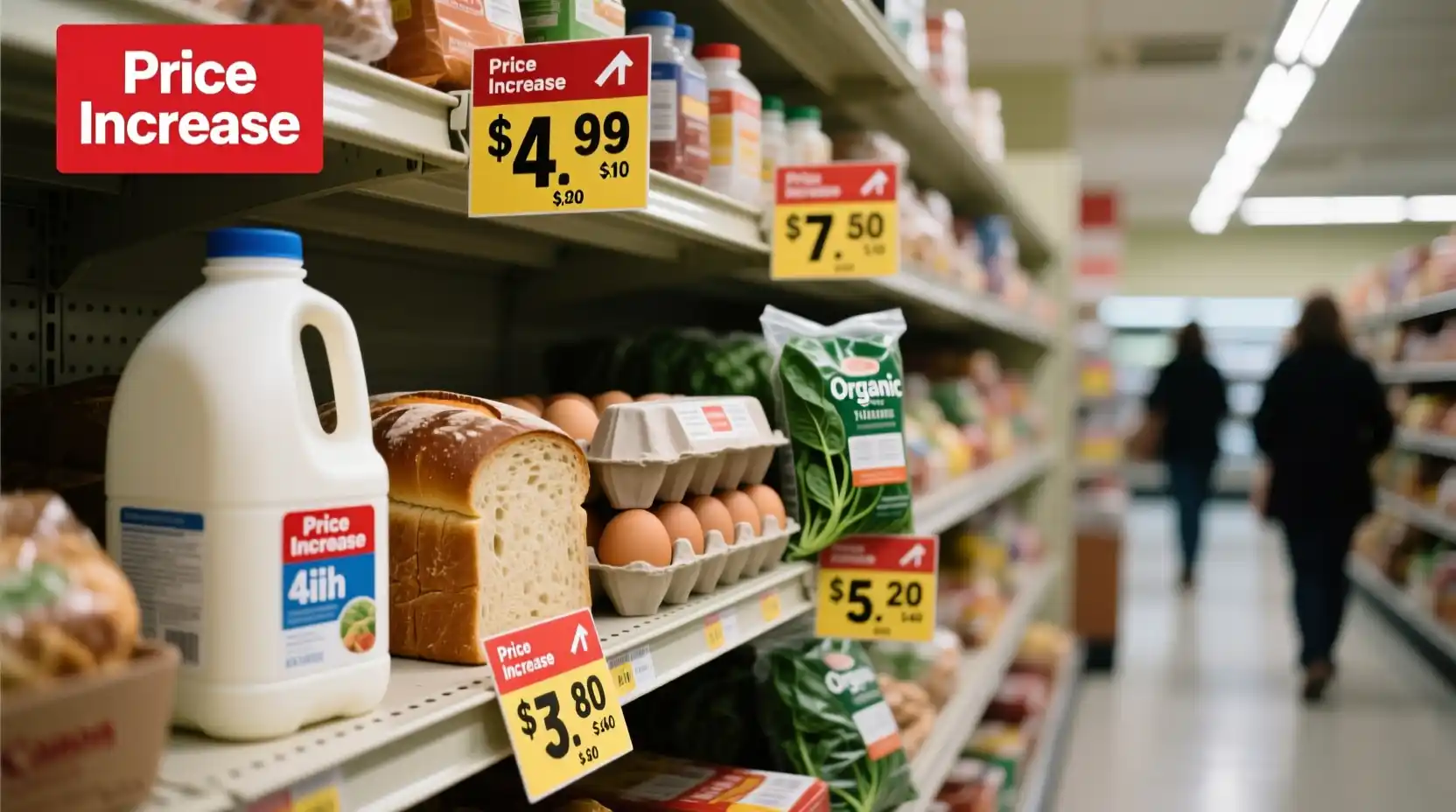
Food Prices Are Going Up: Here Are the Items Predicted to Cost a Whole Lot More at Grocery Stores
In recent months, anyone who regularly steps into a grocery store has likely noticed something unsettling: the prices are climbing. What once cost $3 for a loaf of bread now hovers closer to $4.50. A gallon of milk that barely topped $3 a few years ago now regularly exceeds $5. And if you’re reaching for coffee, olive oil, or even basic salad greens, you might find yourself doing a double-take at the register.
Welcome to the new reality of grocery shopping in 2024, where inflation isn’t just a headline—it’s a tangible burden on household budgets. According to the U.S. Bureau of Labor Statistics, food prices rose over 5% in the past year alone, outpacing general inflation in many categories. While some price increases were expected after the pandemic-related supply chain disruptions, experts now warn that higher food costs may not be a temporary blip—many items are expected to get significantly more expensive in the coming year.
So, what’s behind the surge? And which food items are most likely to see even steeper hikes in 2024 and beyond? Let’s dive in.
The Drivers Behind the Surge in Grocery Prices
Before we explore the specific food items affected, it’s important to understand the broader economic and environmental factors that are driving up grocery prices:
- Climate Change and Extreme Weather
Droughts, floods, unseasonal frosts, and heat waves are increasingly disrupting crop yields worldwide. California’s drought has impacted lettuce and almond production, while record-breaking heat in Europe has damaged olive crops. Unpredictable weather patterns make farming riskier and more expensive, costs that are ultimately passed on to consumers. - Supply Chain Pressures
While global supply chains have improved since the pandemic, new challenges have emerged. Geopolitical tensions, port delays, and labor shortages in transportation and warehousing continue to strain distribution networks. Shipping costs remain elevated, especially for perishable and imported goods. - Rising Input Costs
Farmers and food producers are facing higher costs for fuel, fertilizer, packaging, and labor. Fertilizer prices, for instance, have surged due to increased natural gas costs—key in fertilizer production—directly impacting the cost to grow crops. Additionally, minimum wage increases in several states have boosted labor costs for food manufacturers and retailers. - Global Conflicts
Ongoing conflicts, particularly in Eastern Europe and the Middle East, are disrupting the supply of key agricultural commodities like wheat, sunflower oil, and fertilizers. Ukraine, a major grain exporter, continues to face logistical hurdles due to war, affecting global grain prices. - Corporate Pricing Power
Some economists argue that “greedflation”—the idea that corporations are using inflation as a cover to boost profit margins—is contributing to higher prices. A 2023 report from the U.S. Senate Committee on Banking, Housing, and Urban Affairs suggested that major food companies significantly increased profit margins during the inflation surge, sometimes more than doubling their earnings compared to pre-pandemic levels.
Together, these forces are colliding to drive up the price of everyday groceries. But certain items are expected to see especially steep increases—some by double digits. Here are the key categories you should brace yourself for.
- Coffee – Brewing Up Trouble
If your morning routine includes a cup of coffee, prepare for more sticker shock. Coffee prices are skyrocketing—and experts predict no relief in sight.
The price of Arabica coffee futures has surged by over 70% in the past 12 months, hitting multi-year highs. Why? A perfect storm of climate issues and supply constraints. Brazil, the world’s largest coffee producer, experienced severe droughts followed by unseasonal frosts, leading to a significant drop in yield. Meanwhile, Vietnam, the leading Robusta coffee producer, has seen exports dip due to internal economic and agricultural challenges.
Higher coffee bean prices are filtering through every link of the supply chain—roasters, packaging, transportation—and ultimately onto supermarket shelves. Expect pre-ground coffee, K-cups, and even instant coffee to cost noticeably more in 2024.
Pro Tip: Consider switching to more affordable coffee blends or brewing methods like French press, which make more efficient use of beans. Buying in bulk (if storage allows) may also help offset rising per-unit costs.
- Olive Oil – Liquid Gold No More
Olive oil has quietly become one of the most expensive items in the pantry. In 2023, prices rose by nearly 40%, and they’re on track to climb even further this year.
Southern Europe—Spain, Italy, and Greece—are responsible for over 70% of global olive oil production. A devastating combination of extreme heat and drought in 2022 and 2023 caused olive trees to produce fewer and smaller olives. Spain, which produces about 45% of the world’s olive oil, saw its output drop by nearly 50% in some regions.
Meanwhile, demand remains strong—especially in the U.S., where olive oil is prized for its health benefits. As supply dwindles, prices rise. Retailers are already warning that extra virgin olive oil could cost $20 or more per liter in major grocery chains.
What You Can Do: Consider using alternatives like avocado oil or high-oleic sunflower oil in cooking. Reserve premium olive oil for dressings and finishing, and look for store-brand versions, which may be sourced from less affected regions.
- Eggs – From Breakfast Staple to Luxury Item
After spiking during the avian flu outbreak of 2022, egg prices briefly stabilized—only to surge again in 2023 and early 2024. The average cost of a dozen large eggs now exceeds $4.50 nationwide, more than double the pre-pandemic average.
Avian influenza remains a persistent threat to poultry farms. The U.S. Department of Agriculture (USDA) reported widespread outbreaks in commercial flocks in over a dozen states in early 2024, leading to the culling of millions of birds. Rebuilding flocks takes time—often six months or more—and feed costs for chickens have also increased.
Moreover, the rising popularity of cage-free and organic eggs—driven by consumer demand—means higher production costs that also contribute to pricing.
Smart Shopping Tips: Keep an eye out for store sales and discounts. Consider buying liquid egg substitutes in bulk for baking and scrambled eggs. Powdered eggs, while less common, are a long-lasting and cost-effective option for certain recipes.
- Dairy Products – Milk, Cheese, and Butter on the Rise
The dairy aisle is another hotspot for inflation. Prices for milk, cheese, and butter have climbed steadily, with USDA data showing an 8% increase in dairy prices over the past year.
Several factors are at play:
- Drought conditions in key dairy states like California and New Mexico have reduced feed supplies for cows, increasing production costs.
- Higher transportation and packaging costs add to the final price.
- Strong global demand, especially for cheese and butter from Asian and Middle Eastern markets, is pulling U.S. dairy exports and reducing domestic supply.
Butter, in particular, has seen sharp increases—partly due to its popularity in baking and cooking trends. Expect to pay $5 or more for a pound of butter at premium grocers.
How to Cope: Explore plant-based alternatives like almond or oat milk, which have stabilized in price. In cooking, oils or margarines can sometimes substitute for butter. Buying larger blocks of cheese and grating at home can also save money compared to pre-shredded options.
- Produce: Lettuce, Tomatoes, and Berries
Fresh produce prices have become increasingly volatile. Items like lettuce, tomatoes, and berries are among the most affected due to their sensitivity to weather and labor needs.
- Lettuce: California and Arizona, which produce most of the U.S. lettuce supply, faced unseasonably warm winter temperatures and labor shortages. In early 2024, romaine and iceberg lettuce prices spiked by over 30%.
- Tomatoes: High tunnel and greenhouse production are costly, and outdoor crops are vulnerable to pests and temperature swings. Florida, a major tomato grower, faced flooding and cold snaps, limiting supply.
- Berries: Strawberries, blueberries, and raspberries are labor-intensive to pick and highly perishable. As minimum wage laws increase, so do picking costs. Import tariffs and packaging costs (especially for plastic clamshells) also contribute.
Expect to pay $5 for a pint of strawberries and $3 or more for a single tomato at some retailers.
Consumer Advice: Buy in season if possible. Frozen berries are a nutritious and often cheaper alternative for smoothies and baking. Consider growing herbs or simple greens like lettuce at home—it’s surprisingly affordable and rewarding.
- Seafood – Ocean-to-Table Pricing Pressures
Seafood lovers may need to reconsider their favorite dishes as prices soar. Wild-caught salmon, shrimp, and tuna are seeing some of the steepest increases.
- Salmon: Climate change is warming Pacific waters, disrupting salmon migration and spawning. At the same time, demand for sustainable wild-caught salmon has increased, stretching supply thin.
- Shrimp: Much of the world’s shrimp comes from farms in Southeast Asia. Flooding, disease outbreaks, and rising feed costs have disrupted production. U.S. import tariffs and safety inspections add further costs.
- Tuna: Fishing limits to protect overfished stocks and higher fuel costs for long-haul fishing vessels are pushing prices up.
Fresh salmon fillets can now cost $25 per pound or more at grocery stores, with processed or smoked versions even higher.
What You Can Do: Opt for canned tuna or salmon, which are significantly cheaper and shelf-stable. Explore less popular but sustainable options like mackerel, sardines, or farmed catfish.
- Breakfast Cereals and Pantry Staples
Even traditionally affordable items like cereal, pasta, and canned goods aren’t immune.
Major cereal brands—Kellogg’s, General Mills, and Post—have raised prices multiple times in the last two years. While a box of corn flakes might still seem reasonable, premium and organic varieties have jumped by $1–$2. Higher wheat and sugar prices, along with increased manufacturing and packaging costs, are behind the rises.
Pasta prices have also climbed. Durum wheat, the key ingredient in spaghetti and macaroni, saw supply issues in North America and Europe. Meanwhile, energy costs for production and shipping add to the final price.
Canned goods, often seen as budget-friendly, are also getting costlier due to steel and aluminum prices and labor costs in processing plants.
Smart Moves: Compare unit prices (price per ounce) and choose store brands, which often offer similar quality at lower prices. Buying in bulk—when storage and expiration dates allow—can also yield savings.
- Meat: Beef and Pork Face Pressure
While beef prices have cooled slightly from their 2022 peak, they remain high. Ground beef averages over $5.50 per pound, and premium cuts like ribeye or filet mignon can exceed $20.
Cattle herds are still recovering from drought-related culling, and feed costs (especially corn and soy) remain elevated. Additionally, consolidation in the meatpacking industry has limited competition, which some analysts say enables higher pricing.
Pork is facing similar challenges—hog farms dealt with disease outbreaks and rising feed and energy costs.
Alternatives to Consider: Poultry (especially chicken thighs and drumsticks) remains relatively affordable. Plant-based meats are becoming more competitively priced, though still generally costlier than whole animal proteins. Beans, lentils, and tofu are excellent low-cost protein sources.
The Long-Term Outlook: Is Relief on the Way?
Unfortunately, most experts predict that food price inflation will remain above historical averages through at least 2025. The USDA’s Economic Research Service forecasts food-at-home prices to rise between 3.5% and 4.5% in 2024, with further increases likely depending on weather and global events.
While some items may stabilize—especially if crop yields rebound or supply chain kinks are resolved—structural changes in climate, labor, and global trade suggest we’re entering a new era of higher food costs.
How to Navigate the New Grocery Landscape
While we can’t control global markets or weather patterns, we can take steps to protect our household budgets:
- Meal Plan and Stick to It
Planning meals in advance reduces impulse buys and food waste. Check sales flyers and build meals around discounted items. - Buy Store Brands
Private-label groceries are often 20–30% cheaper than national brands and typically match in quality. - Shop Seasonally and Locally
Seasonal produce is often fresher and less expensive. Visit farmers’ markets later in the day for potential discounts. - Use Loyalty Programs and Apps
Many grocery chains offer digital coupons and member-only pricing. Apps like Ibotta or Fetch Rewards can provide cashback. - Cook at Home More
Eating out is more expensive than ever. Preparing meals at home—even simple ones—can save hundreds per month. - Preserve and Freeze
Buy in bulk when items are on sale and freeze portions for later use. This works well for meat, bread, and even milk. - Reduce Waste
The average American household wastes over $1,500 in food annually. Use leftovers creatively and learn proper storage techniques.
Final Thoughts: A Call for Awareness and Action
The rising cost of groceries isn’t just a personal budget issue—it’s a societal one. For low- and middle-income families, higher food prices can mean tough choices between nutrition and other essentials. Policymakers, farmers, and food companies must work together to build a more resilient food system that can withstand climate shocks, reduce waste, and ensure fair pricing.
In the meantime, consumers must stay informed and adaptable. By understanding which items are most affected and making strategic shopping and cooking choices, we can weather this storm of inflation without sacrificing health or well-being.
As we head into the rest of 2024, one thing is clear: the grocery bill will likely keep climbing. But with smart planning, a little flexibility, and a critical eye on where our dollars go, we can still take care of our families—one meal at a time.
Have any thoughts?
Share your reaction or leave a quick response — we’d love to hear what you think!
-
 0
-
 0
-
 0
-
 0
-
 0
-
 0
