
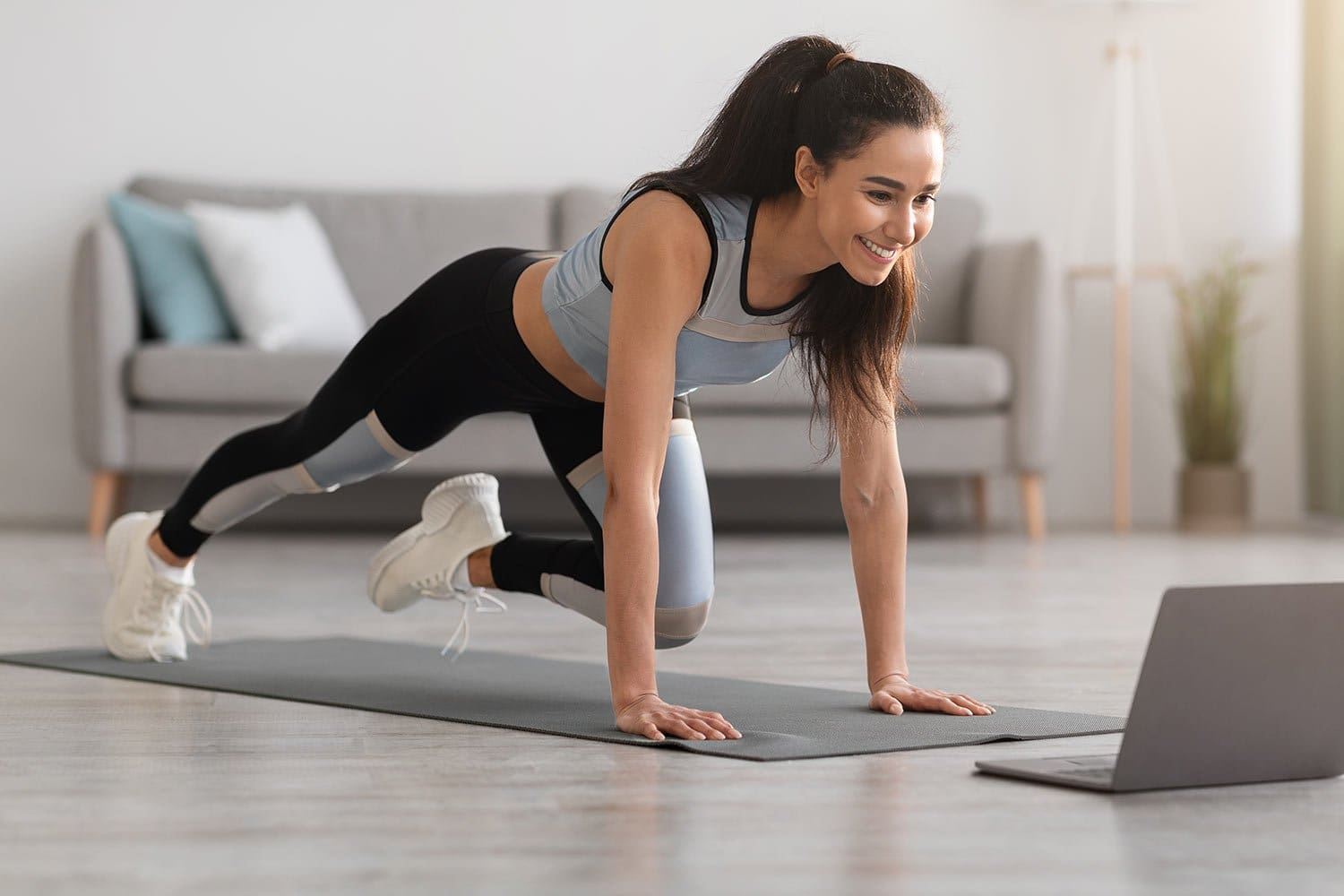
Health and Wellness: When Exercise Hurts Your Back Instead of Helps
Introduction
Exercise is universally celebrated as a cornerstone of health and wellness. It strengthens muscles, improves mental well-being, and reduces the risk of chronic diseases. Yet, for all its benefits, exercise can sometimes backfire—literally. Back pain is one of the most common injuries tied to physical activity, especially when workouts are performed without proper guidance, form, or awareness of individual limitations. In this blog post, we’ll explore the reasons why certain exercises can harm the back, how to identify risky practices, and how to modify your routine to minimize injury. We’ll also include actionable tips, a comparative table of safe vs. risky exercises, and expert advice to help you stay active without compromising your spine.
Why Exercise Can Harm the Back
The spine is a delicate yet resilient structure, but it’s not invincible. Certain movements, weights, or postures can strain muscles, ligaments, or discs in the back. Here’s how exercise can inadvertently lead to back pain:
- Poor Technique: Incorrect form during weightlifting, yoga, or even running can place undue stress on the lumbar (lower) spine. For example, rounding the back during squats is a common mistake that can cause disc herniation.
- Overexertion: Pushing through fatigue or overloading the body with heavy weights can lead to muscle strain or ligament sprains.
- Inappropriate Exercises for Your Condition: People with existing back issues (e.g., degenerative disc disease, osteoporosis, or sciatica) may worsen their condition by doing high-impact or high-risk activities.
- Lack of Core Strength: Weak core muscles fail to support the spine, making back pain more likely during exercises that require balance or stability.
- Repetitive Motion: Activities like rowing, cycling, or crunches done with poor form can create chronic strain on the spine.
Common Exercises That Can Harm the Back (and How to Fix Them)
Let’s break down some exercises often associated with back pain and how to adjust them for safety.
Problem: Abdominal Crunches
Why It Hurts: Crunches can compress the discs in the lower spine, especially if the neck is lifted incorrectly.
Fix: Replace crunches with planks or bird-dog exercises, which engage the core without spinal flexion.
Problem: Deadlifts with Rounded Back
Why It Hurts: Deadlifts are a powerful strength exercise but require a neutral spine. Rounding the back can lead to disc herniation.
Fix: Focus on form: Keep your chest up, engage your glutes and hamstrings, and keep the weight close to your body. Start with lighter weights.
Problem: Squats with Knees Caving In
Why It Hurts: Poor knee alignment during squats can strain the lower back and hips.
Fix: Use a mirror or resistance band to keep knees aligned with toes. Consider bodyweight squats before adding weight.
Problem: High-Impact Aerobics (e.g., Jumping Jacks, Running on Hard Surfaces)
Why It Hurts: Repetitive impact can aggravate existing back issues like arthritis or degenerative conditions.
Fix: Opt for low-impact alternatives: Swimming, elliptical training, or walking on soft surfaces.
Identifying Risky Exercises vs. Safe Ones
To help you distinguish between exercises that protect and harm your back, here’s a table comparing safe and risky options.
| Exercise Category | Risky Exercises | Why They’re Harmful | Safer Alternatives |
| Core Workouts | Sit-ups, Crunches | Compresses spinal discs, strains lower back. | Planks, Dead Bugs, Glute Bridges |
| Strength Training | Deadlifts (poor form), Overhead Press | Improper form can overload the spine. | Bodyweight Lunges, Squats with Proper Form |
| Flexibility Routines | Twisting Yoga Poses (e.g., Spinal Twists) | Can strain discs if done forcefully. | Cat-Cow Stretch, Child’s Pose |
| Cardio Activities | Running on Hard Surfaces, Jump Rope | Repetitive impact increases spinal stress. | Swimming, Stationary Cycling |
| Stretching | Forward Folds (e.g., Downward Dog) | Bends the spine without core engagement. | Seated Hamstring Stretch (flat back) |
How to Exercise Safely and Protect Your Back
Whether you’re a seasoned athlete or a beginner, these guidelines can help you avoid back injuries:
- Invest in Proper Form: Consider working with a certified trainer to learn correct alignment for weightlifting, yoga, or Pilates.
- Strengthen Your Core: Strong abdominal and back muscles (e.g., transverse abdominis, erector spinae) provide spinal stability. Try exercises like bridges, planks, and pelvic tilts.
- Warm Up and Cool Down: A 5–10-minute dynamic warm-up (e.g., leg swings, cat-cow stretches) prepares muscles and ligaments for activity.
- Listen to Your Body: Stop immediately if you feel sharp pain, tingling, or numbness. These are red flags for nerve compression.
- Modify Exercises for Your Fitness Level: If you’re new to working out or have a history of back pain, start with bodyweight exercises and gradually increase intensity.
- Use Proper Gear: Wear supportive footwear and choose exercise equipment with ergonomic design (e.g., adjustable dumbbells, orthopedic mats).
When to Seek Professional Help
If you experience any of the following symptoms, consult a healthcare provider (e.g., orthopedist, physical therapist, or chiropractor):
- Persistent or worsening back pain lasting more than a week.
- Radiating pain (sciatica), numbness, or tingling in the legs.
- Reduced range of motion or difficulty standing up straight.
- Incontinence or loss of bladder/bowel control (a medical emergency signaling cauda equina syndrome).
Rehabilitation and Recovery Tips for Back Pain
If you’ve already developed back pain from exercise, here are steps to aid recovery:
- Rest and Ice/Heat Therapy: Apply ice packs for 15 minutes (3 times daily) to reduce inflammation, or use a heating pad to relax tight muscles.
- Gentle Mobility Work: Try guided stretching (e.g., yoga or Pilates) to restore flexibility.
- Physical Therapy: A PT can design a tailored exercise program to strengthen weak muscles and correct imbalances.
- Posture Correction: Practice good ergonomics (e.g., using a lumbar roll for sitting, avoiding slouching).
Conclusion
Exercise is a powerful tool for health and wellness, but it’s not one-size-fits-all when it comes to spinal care. By prioritizing proper technique, modifying high-risk activities, and listening to your body, you can enjoy the benefits of physical activity without jeopardizing your back. Remember: The goal is longevity, not short-term gains.
Disclaimer
The information provided in this blog post is for educational and informational purposes only. It is not intended to be medical advice or a substitute for professional healthcare consultation. Before starting any exercise program, especially if you have a pre-existing medical condition or injury, consult with a licensed healthcare provider, physical therapist, or certified fitness professional. The author and publisher are not liable for any injuries or health issues that may result from using the information presented here.
Have any thoughts?
Share your reaction or leave a quick response — we’d love to hear what you think!
-
 0
-
 0
-
 0
-
 0
-
 0
-
 0
