
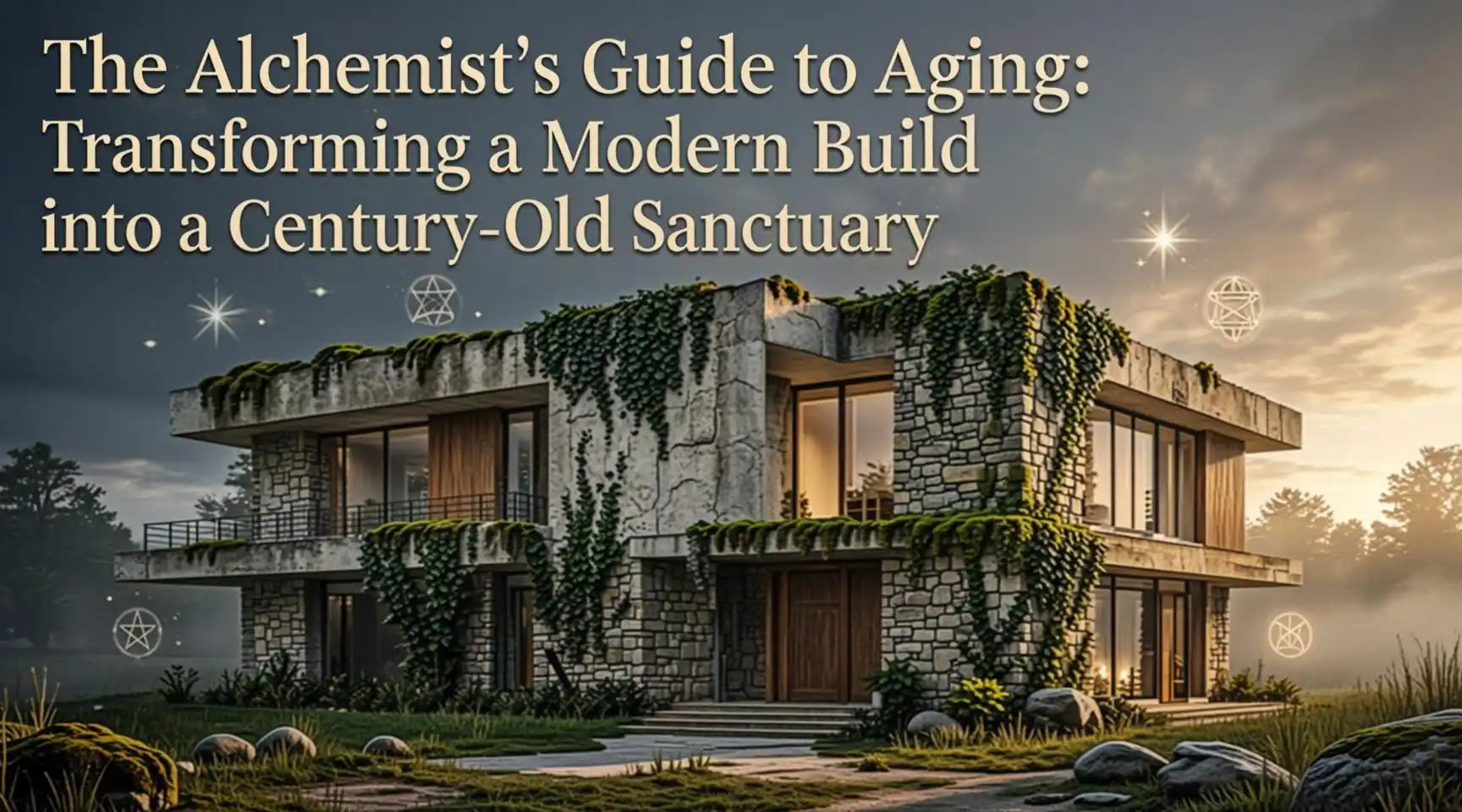
The Alchemist’s Guide to Aging: Transforming a Modern Build into a Century-Old Sanctuary
Introduction: The Soul of a Home
There is a profound difference between a house that was built and a house that has lived. A brand-new construction, with its pristine drywall, straight lines, and unblemished paint, offers a canvas of potential, yet it often lacks the visceral resonance of history. It lacks the whisper of footsteps that walked the halls decades ago, the warmth of hands that once polished a brass doorknob, and the settle of timber that has weathered a hundred seasons. To make a new house feel one hundred years old is not merely an act of decoration; it is an act of storytelling. It is the art of infusing structure with soul, creating a narrative that feels authentic, grounded, and eternally welcoming.
This comprehensive guide explores the meticulous process of imparting character, depth, and Timeless Design into a modern shell. It is a journey that requires patience, a discerning eye, and a willingness to embrace the beauty of imperfection.
Chapter 1: The Philosophy of Imperfection
Before lifting a hammer or selecting a swatch, one must understand the philosophical underpinning of an aged home. Modern construction prioritizes precision; joints are tight, corners are sharp, and surfaces are level. Conversely, a century-old home celebrates the organic deviations of human hands and natural materials.
To replicate this, you must adopt the Japanese aesthetic of wabi-sabi—the acceptance of transience and imperfection. This mindset shift is crucial. It means looking for the board with the knot, choosing the stone with the fissure, and celebrating the slight unevenness in a plaster wall. The goal is to simulate the gentle “wear patterns” that occur over a century of habitation.
Chapter 2: Architectural Archaeology—The Bones
The most effective way to age a home is to alter its structural perception.
- Replacing Trim and Molding: Modern homes often suffer from anorexic baseboards and flimsy door casings. A 100-year-old home commands respect through substantial millwork. Install heavy, 8 to 10-inch baseboards. Opt for “plinth blocks” at the bottom of door casings to mimic the transition from flooring to wall that was common in the early 20th century. Use substantial crown molding, but ensure the profiles are historically accurate for the region and era you are emulating.
- Doors as Portals: The hollow “pop” of a modern door instantly betrays a home’s age. Replace interior doors with solid wood, five-panel doors. These were staples of Craftsman and Farmhouse styles. To truly sell the illusion, source Architectural Salvage doors. These doors often come with layers of paint—do not strip them down to bare wood. Leave the patina; the chips and scratches are the fingerprints of the past.
- Hardwood Flooring: New hardwood is often uniform in color and grain. To achieve an aged look, request “character grade” or “rustic grade” wood, which features knots, mineral streaks, and color variation. Installation is key; request a random width pattern (e.g., a mix of 3, 5, and 7-inch boards). After installation, avoid the high-gloss polyurethane finish. Instead, opt for a matte, oil-based finish or a wax rub that penetrates the grain, mimicking the look of floors that have been cleaned with oil soap for generations.
- Ceilings and Beams: If your ceilings are high, consider adding exposed faux beams. However, avoid the trap of faux wood that looks like plastic. Use real, rough-sawn timber, distressed with chains and nails to create authentic texture.
Chapter 3: The Walls—A Canvas of Time
The walls of a new house are often the biggest giveaway of their age. They are perfectly flat, stark white, and devoid of texture.
- The Plaster Illusion: Drywall is flat; plaster has a subtle, undulating texture. To replicate this, you can apply a “skip-trowel” or “knockdown” texture to the drywall before painting, but it must be done with a light hand. Alternatively, lime wash paints are an excellent modern tool. They create a soft, chalky, mottled effect that changes with the light, perfectly mimicking the look of aged limewash used on historic estates.
- Wainscoting and Paneling: Installing beadboard or raised panel wainscoting adds instant gravity to a room. In a dining room or hallway, this architectural element grounds the space, making it feel established and formal. Paint the wainscoting a high-gloss color; the sheen will reflect light in a way that suggests decades of cleaning.
- Wallpaper: In the early 1900s, wallpaper was a dominant design force. Avoid modern geometric prints. Look for William Morris-inspired botanicals, damasks, or scenic murals. Installing a historic print in a powder room or behind bookshelves adds a layer of “period correctness” that paint cannot achieve.
Chapter 4: The Kitchen—The Hearth of History
The kitchen is often the most difficult room to age because modern appliances are inherently sleek and industrial. The trick is to disguise the modern necessities and emphasize the traditional.
- Furniture-Style Cabinetry: Avoid the “wall of cabinets” look. Opt for cabinetry that looks like freestanding furniture. Legs on the island, inset doors, and furniture toe-kicks make the cabinets look like they were acquired over time rather than installed in a week.
- The Sink: The porcelain apron-front sink is the gold standard for a vintage aesthetic. It evokes a farmhouse utility, linking the modern kitchen to its utilitarian roots.
- Materials: Steer clear of polished granite and sleek quartz. Look for honed marble (which stains and etches beautifully over time), soapstone, or butcher block. A butcher block island that shows knife marks is a badge of honor in a century-old kitchen.
- Lighting: Swap out recessed can lights for statement fixtures. A vintage crystal chandelier or an early electric-style pendant with milk glass shades can change the entire atmosphere. Use low-wattage bulbs with a warm color temperature (2700K or lower) to replicate the soft, golden glow of candlelight or early incandescent bulbs.
Chapter 5: The Bathroom—A Vintage Spa
Modern bathrooms often feel clinical—bright white, tiled to the ceiling, and smelling of bleach. A vintage bathroom should feel intimate and residential.
- Tile Work: Subway tile is a classic choice, but the grout color matters. While bright white grout looks new, a light grey or even a slightly darker grout line suggests age. For flooring, consider penny round tiles or small hexagons. For a truly authentic touch, use unlacquered brass or nickel hardware that will develop a natural Patina over time.
- The Tub: A freestanding cast-iron tub with claw feet is the quintessential vintage element. It stands apart from the wall, demanding attention and serving as a sculptural centerpiece.
- Pedestal Sinks: While vanities offer storage, a pedestal sink with an exposed p-trap feels turn-of-the-century. It opens up the floor space, making the room feel larger and less cluttered.
Chapter 6: The Library and Living Spaces
These are the rooms where life happens. They should feel curated rather than staged.
- Built-In Bookcases: A wall of built-in bookcases, constructed with poplar wood and painted to match the trim, suggests that the house was built for an intellectual family. The key is to make the shelving adjustable with “pinned” shelves, a construction detail common in older homes.
- Fireplaces: If you are lucky enough to have a fireplace, the mantel is your focal point. Avoid the generic, sleek mantels sold in big-box stores. Hunt for a salvage mantel, or construct one from detailed molding and a substantial timber breast. Surround the hearth with handmade tiles—slight variations in color and size are desirable here.
Chapter 7: Hardware and Metals—The Jewelry of the Home
Hardware is the jewelry of the house, and it is often where the illusion is either made or broken. Modern brushed nickel and oil-rubbed bronze often look too uniform and factory-finished.
- Unlacquered Brass: This is the “living finish.” When installed, it is shiny, but over months and years, it naturally tarnishes, developing a rich, dark patina in the crevices while remaining bright on the high-wear spots. This aging process is the hallmark of a century-old home.
- Glass and Crystal: Doorknobs made of pressed glass or crystal were common in the early 1900s. They feel cool to the touch and refract light in a way that metal cannot. Installing these on all interior doors is a relatively inexpensive change that yields a massive return in ambiance.
- Hinges and Locks: Swap out standard hinges for “ball-tip” hinges. If using a mortise lock system, the heavy click of the latch adds an auditory layer of authenticity.
Chapter 8: The Exterior and Landscape
The aging process must not stop at the front door. The exterior must also shed its “spec-house” skin.
- Siding and Paint: If the house is sided, consider a color palette that exists in nature—sage greens, deep slates, dusty blues, and warm creams. Avoid trendy colors that scream “current year.” If possible, choose a siding with a rough-sawn texture. A smooth finish looks artificial.
- The Entryway: The front door should be solid and heavy. A transom window above the door and sidelights on the sides are classic elements. A portico or covered porch adds depth and shadow, protecting the entry and creating a welcoming transition from the outside world.
- Landscaping: A brand-new house often has a “spit and polish” landscape with perfectly aligned saplings and fresh mulch. To age the landscape, focus on layered planting. Use native plants that will naturalize and spread. Build arbors and trellises for climbing vines like wisteria or ivy (controlled, so they don’t damage the structure). Use reclaimed brick or weathered flagstone for pathways; the uneven surface forces a slower, more deliberate pace, reminiscent of a time when life moved slower. Create “garden rooms” separated by hedges or fences, adding a sense of discovery to the property.
Chapter 9: The Art of Patina and Distressing
There is a fine line between authentic aging and the “shabby chic” look of the early 2000s. The goal is not to make things look trashed, but to simulate “gentle wear.”
- Distressing Wood: When distressing a floor or a piece of furniture, think about where wear would naturally occur. The edges of a tabletop are worn from hands brushing against them. The corners of a door frame are worn from vacuum cleaners bumping into them. The center of a floorboard is worn from footsteps. Use tools like “cat’s paws,” chains, and wire brushes to create these subtle imperfections. Do not use the generic “wormhole” stippling that comes from electric distressing tools; it looks artificial.
- Crackle Finishes: A crackle finish on paint can mimic age, but it must be subtle. Large, alligator-skin cracks look fake. Fine, spiderweb cracking is more realistic. However, often the best approach is simply allowing paint to wear naturally or sanding edges gently by hand.
Chapter 10: Furnishings and Decor—The Layered Look
No house can feel one hundred years old if it is furnished entirely from a single catalogue where everything matches. A historic home is a collection of layers acquired over generations.
- The Mix: Mix styles. A 1920s sofa can sit comfortably next to a mid-century modern lamp, provided the colors and textures harmonize. Incorporate antiques not just as decor, but as functional items. A vintage trunk serves as a coffee table; an old dental cabinet serves as a bathroom vanity.
- Textiles: Avoid polyester and microfiber. Lean into natural fibers like linen, wool, velvet, and leather. A linen sofa that wrinkles and softens over time feels much older than a tight, synthetic one. Use Persian or Turkish rugs—these are the anchors of a room. A rug that is slightly faded or worn tells a story of use.
- Art and Books: Art should be eclectic. Family photos in mismatched frames on a mantelpiece suggest a lineage. Books should be read, not just displayed. A library of leather-bound classics creates a scent and visual weight that is unmistakably old-world.
Chapter 11: The Sensory Experience
Finally, to truly make a home feel aged, you must address the senses.
- Scent: New houses smell like drywall and paint. Old houses smell of beeswax, woodsmoke, old paper, and dried lavender. Use soy or beeswax candles with these specific scents. Avoid modern, fruity fragrances.
- Sound: Minimize the hum of modern electronics. Hide televisions behind cabinet doors or artworks. Play classical music or jazz softly in the background. The sound of a ticking clock or the creak of a solid wood floor adds an auditory layer of history.
- Light: Light is perhaps the most critical element. Old houses were lit by fire and low-wattage bulbs. Install dimmers on every switch. Use lamps with fabric shades to soften the light. Avoid cool white bulbs (4000K or higher) at all costs. The light should be amber, warm, and low, creating pools of shadow that add depth and mystery to a room.
Conclusion: The Gift of Time
Creating a century-old feel in a new house is a labor of love. It is a rejection of the disposable and the trendy in favor of the enduring and the meaningful. It is about creating a space that feels as though it has protected and nurtured generations, even if it was built yesterday. By utilizing Architectural Salvage, embracing the natural Patina of materials, and adhering to principles of Timeless Design, you are not just building a house; you are crafting a legacy. You are creating a home that feels as though it has always been there, waiting for you to arrive.
Keywords: Timeless Design, Architectural Salvage, Patina
Hashtags: #NewOldHouse #VintageVibes #InteriorDesign
Disclaimer: The information provided in this guide is for educational and inspirational purposes only. Renovation and interior design projects can involve structural changes, electrical work, and plumbing modifications. It is strongly recommended to consult with licensed contractors, architects, and structural engineers before undertaking any significant alterations to your home. Safety precautions should always be followed when using tools or handling chemical finishes. The author and publisher are not responsible for any damages or injuries that may occur as a result of attempting the projects described herein.
Have any thoughts?
Share your reaction or leave a quick response — we’d love to hear what you think!
-
 0
-
 0
-
 0
-
 0
-
 0
-
 0
